
What is front load vs top load washer? A Complete 2026 Guide
Choosing between a front load vs top load washer can feel confusing when both promise clean clothes, but the right pick depends on how you wash, how much space you have, and what you value most. If you want lower water use and gentler cleaning, one style may clearly win; if you want speed, simplicity, and easier loading, the other may be better. This guide breaks down the differences in plain English so you can buy with confidence in 2026.
How It Works
A front load washer cleans clothes by tumbling them through a small amount of water in a horizontal drum. The drum rotates so garments lift, drop, and rub against each other, which helps loosen dirt while using less water than many traditional machines.
A top load washer loads from the top and typically uses either an agitator or an impeller. In agitator models, a center post moves clothes around in the water; in impeller models, a low-profile disc creates currents that move laundry through the wash cycle.
The biggest mechanical difference is how the clothes move. Front load machines rely on tumbling, while top load machines rely more on stirring, spinning, or agitation. That difference affects water usage, fabric wear, cycle length, and how easy the washer is to load and unload.
Key Benefits & Use Cases
Front Load Washer Benefits
Front load washers are often preferred by buyers who want efficiency and fabric care. They usually use less water, can be more energy efficient, and are known for handling bulky or delicate items well when loaded correctly.
- Uses less water in many cycles
- Often more efficient for long-term utility savings
- Gentler on clothing in many wash situations
- Great for stacked laundry setups in tight spaces
- Often a strong choice for households that do frequent laundry
Top Load Washer Benefits
Top load washers are often chosen for convenience and faster access. They can be easier to load without bending, and many users like the ability to add forgotten items mid-cycle more easily than with front loaders.
- Easier to load and unload for many users
- Usually faster to access during the wash
- Often simpler to use for quick laundry routines
- Good option for buyers who prefer a familiar design
- Can be a practical choice for households that prioritize convenience
Best Use Cases
If you wash large loads often, care about utility efficiency, or want a machine that can fit under a countertop with a dryer stacked above, a front load washer may be the better fit. If you want a straightforward machine, dislike bending down, or need a washer that feels more convenient for everyday use, a top load washer may be the better choice.
What to Look For When Buying
1. Capacity
Think about how much laundry your household produces each week. Larger families, bedding-heavy households, and people who do fewer but bigger loads may want a larger drum capacity.
2. Water and Energy Efficiency
Efficiency matters if you want to lower utility costs over time. Front load washers often use less water, but newer top load models can also offer strong efficiency depending on the design.
3. Ease of Use
Consider whether you prefer top access or front access. If bending is uncomfortable, a top load washer may be easier; if you want stacking flexibility, a front load washer may be more practical.
4. Cycle Options and Cleaning Performance
Look for wash settings that match your routine, such as delicate cycles, heavy-duty cycles, quick wash, or sanitize options. The right cycle selection can matter as much as the washer style itself.
5. Maintenance and Long-Term Care
Some front load washers may need more attention to door seals and moisture management, while top load washers may be simpler to keep fresh. Check how easy it is to clean the drum, filter, and detergent compartments before you buy.
Common Mistakes to Avoid
One common mistake is assuming one style is automatically better for everyone. The best choice depends on your laundry habits, space, and comfort preferences.
Another mistake is ignoring installation needs. Front load washers may need more planning if you want to stack them, while top load washers need enough vertical clearance for the lid to open fully.
People also sometimes overlook maintenance. Front load washers can develop odor if the door stays closed with moisture trapped inside, and both washer types benefit from regular cleaning and proper detergent use.
Finally, don’t focus only on the upfront price. A cheaper washer may cost more over time if it uses more water, takes longer to dry clothes, or doesn’t match your daily routine.
Frequently Asked Questions
1. Is a front load washer better than a top load washer?
It depends on what you value most. Front load washers often win on efficiency and fabric care, while top load washers often win on convenience and easier loading.
2. Which washer is easier to use, front load or top load?
Many people find top load washers easier because you can load from above without bending as much. Front load washers may be better if you want stacking options or don’t mind a lower loading position.
3. Which one cleans clothes better?
Both can clean well when used correctly. Front load washers often provide strong cleaning with less water, while top load washers can also perform well, especially newer models with impellers or advanced cycles.
4. Which washer is more energy efficient?
Front load washers are often more efficient, especially for water use. However, efficiency can vary by model, so it’s smart to check energy ratings before buying.
5. What is the main difference between front load and top load washer?
The main difference is how the clothes move during washing. Front load washers tumble clothes horizontally, while top load washers clean from above using an agitator or impeller.
Get the Full Cleaning, Vacuums & Laundry Buyer's Guide
Download our detailed comparison with specs, scores, and our honest verdict — delivered straight to your inbox.
Free. No spam. Unsubscribe anytime.
Was this review helpful?
Be the first to share your feedback on this review.
Sign in to vote and let us know what you think.
Discussion (0)
No comments yet. Be the first to start the discussion.
Related Reviews
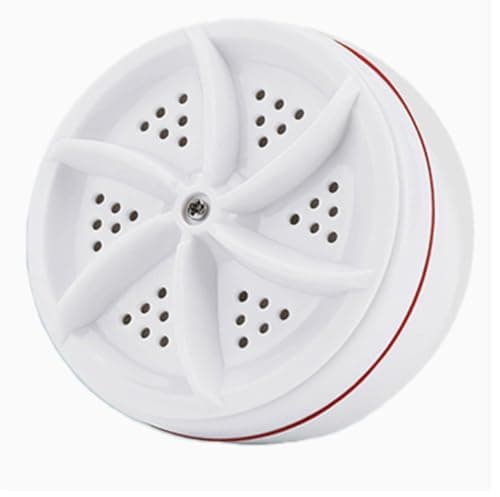
Best Cheap Washing Machines for Every Budget in 2026: Ranked by Price & Performance
If you’re searching for the best cheap washing machines , the real challenge is finding something that actually cleans without wasting money. Ultra-low-cost options can be surprisingly useful for socks, underwear, baby clothes, and travel laundry, but only if you pick the right tier for your needs.
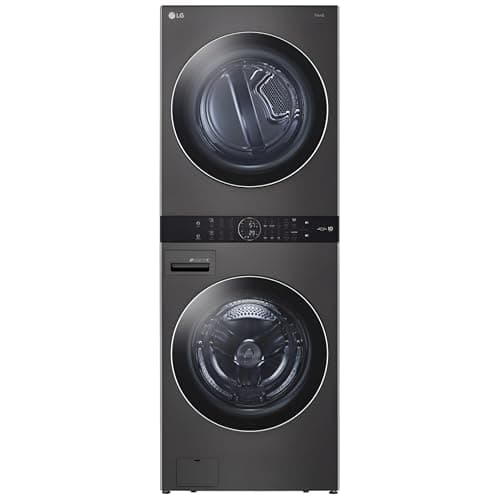
LG WashTower Review (2026): Honest Verdict After Testing
The biggest reason shoppers look at the LG WashTower is simple: it solves the awkward, bulky look of a traditional stacked washer and dryer setup. Instead of two separate appliances with a clunky gap in the middle, this unit is designed as one integrated laundry center, which makes it feel more poli
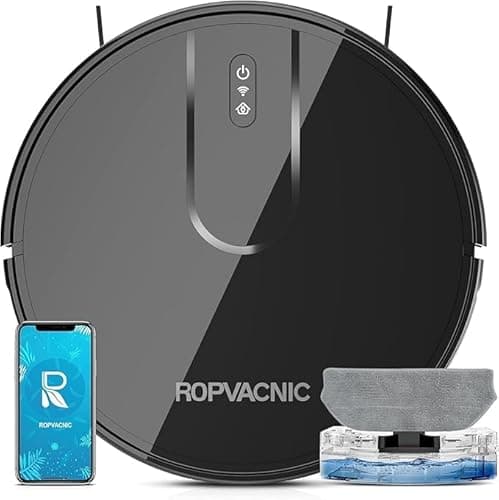
8 Best Robot Vacuums Under $500 in 2026 — Top Picks for Powerful Cleaning, Smart Mapping, and Self-Empty Convenience
If you’re trying to find the best robot vacuums under $500 , the challenge is separating real performance from flashy specs. You want strong suction, reliable navigation, and low-maintenance features like self-emptying—without paying premium-brand prices. This list focuses on models that deliver the