
What is How to Clean a Dyson Vacuum? A Complete 2026 Guide
Learning how to clean a Dyson vacuum is the difference between a machine that keeps strong suction and one that starts losing performance over time. If your Dyson smells dusty, leaves debris behind, or seems weaker than usual, the fix is often simple maintenance rather than a costly repair. This guide explains the process in plain English so you can clean the filters, bin, brush bar, and attachments the right way.
How It Works
A Dyson vacuum works by using powerful suction to pull air, dust, and debris into a sealed airflow path, where dirt is separated and collected in the bin. Many Dyson models use cyclone technology, which spins air at high speed so heavier particles get flung out of the airflow and drop into the dust container. Because the system depends on clear airflow, even small blockages, dirty filters, or tangled brush bars can reduce cleaning performance.
When you clean a Dyson vacuum, you are mainly restoring that airflow. The goal is to remove dust buildup from the bin, wash or replace filters as needed, clear clogs from tubes and heads, and free the brush roll from hair and fibers. In other words, regular cleaning helps the vacuum breathe properly, which keeps suction strong and makes the motor work more efficiently.
Key Benefits & Use Cases
Why cleaning matters
Regular maintenance helps a Dyson vacuum perform the way it was designed to perform. A clean machine usually picks up more debris, smells fresher, and lasts longer because the motor and airflow system are under less strain.
Main benefits
- Improves suction by keeping airflow pathways open.
- Reduces odors caused by trapped dust, pet hair, and moisture.
- Helps prevent clogs in the wand, hose, and cleaner head.
- Supports longer filter life and better overall vacuum performance.
- Can extend the lifespan of the vacuum by reducing unnecessary wear.
Common use cases
People usually look up how to clean a Dyson vacuum when suction drops, the machine starts pulsing, the bin looks packed too quickly, or the brush bar stops spinning smoothly. It is also useful after cleaning pet hair, fine dust from renovations, or debris that can quickly coat filters and moving parts. If you use your vacuum often, especially on carpets, rugs, or homes with pets, routine cleaning becomes even more important.
What to Look For When Buying
If you are researching a Dyson vacuum or trying to choose the right one for easier maintenance, these are the five most important criteria to consider:
1. Easy-to-remove bin
A dust bin that empties quickly and comes apart easily makes regular cleaning much simpler. Look for a design that lets you remove trapped dirt without needing tools or extra effort.
2. Washable or replaceable filters
Filters are one of the most important parts to maintain. A vacuum with accessible filters is easier to keep in top condition because you can rinse or replace them on schedule.
3. Brush bar access
Hair and string often wrap around the brush roll, so easy access matters. A cleaner head that opens quickly can save a lot of time during maintenance.
4. Clear airflow path
Vacuum designs with fewer hard-to-reach bends and blockages are easier to unclog. This matters because airflow is central to Dyson’s performance.
5. Maintenance-friendly attachments
Crevice tools, extension tubes, and other accessories should be simple to detach and inspect. The easier they are to remove, the faster you can find and clear debris buildup.
Common Mistakes to Avoid
Cleaning a Dyson vacuum is straightforward, but a few mistakes can cause damage or reduce performance.
- Washing parts that are not designed to get wet. Always check the manual before rinsing any component.
- Reinstalling filters while they are still damp. Moisture can lead to odors, poor performance, or internal damage.
- Ignoring hidden clogs. If suction is weak, check the wand, hose, and cleaner head, not just the bin.
- Using sharp objects to force out debris. This can crack plastic parts or damage seals.
- Forgetting the brush bar. Hair wrapped around the roller can make the vacuum seem weaker even when the motor is fine.
One of the most common issues is cleaning only the visible dust while missing the filter and airflow path. Another mistake is waiting until the vacuum performance drops dramatically before doing maintenance. A little routine care goes a long way and usually takes much less time than a deep clean after a clog has built up.
Frequently Asked Questions
1. How often should I clean a Dyson vacuum?
In general, empty the bin after each use or whenever it reaches the fill line. Filters and brush bars should be checked regularly, and deeper cleaning is a good idea every few weeks if you vacuum often.
2. Can I wash Dyson vacuum filters?
Many Dyson filters are washable, but not all parts are. Always follow the model’s instructions, and let filters dry completely before putting them back in the vacuum.
3. Why does my Dyson vacuum lose suction?
Common causes include a full bin, clogged filters, blocked tubes, or hair wrapped around the brush bar. Cleaning those areas usually restores performance.
4. How do I clean the brush bar on a Dyson vacuum?
Turn off and unplug the vacuum, remove the cleaner head if needed, and cut away hair or fibers wrapped around the roller. Be careful not to damage the bristles or cutting into the roller itself.
5. What should I do if my Dyson vacuum still smells after cleaning?
Check the filter, bin, and brush bar for trapped damp dirt or pet hair. If the odor continues, make sure every washable part is fully dry and inspect the vacuum for hidden buildup in the airflow path.
Get the Full Cleaning, Vacuums & Laundry Buyer's Guide
Download our detailed comparison with specs, scores, and our honest verdict — delivered straight to your inbox.
Free. No spam. Unsubscribe anytime.
Was this review helpful?
Be the first to share your feedback on this review.
Sign in to vote and let us know what you think.
Discussion (0)
No comments yet. Be the first to start the discussion.
Related Reviews
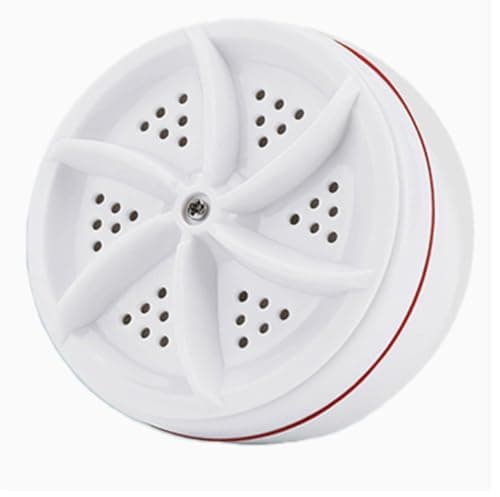
Best Cheap Washing Machines for Every Budget in 2026: Ranked by Price & Performance
If you’re searching for the best cheap washing machines , the real challenge is finding something that actually cleans without wasting money. Ultra-low-cost options can be surprisingly useful for socks, underwear, baby clothes, and travel laundry, but only if you pick the right tier for your needs.
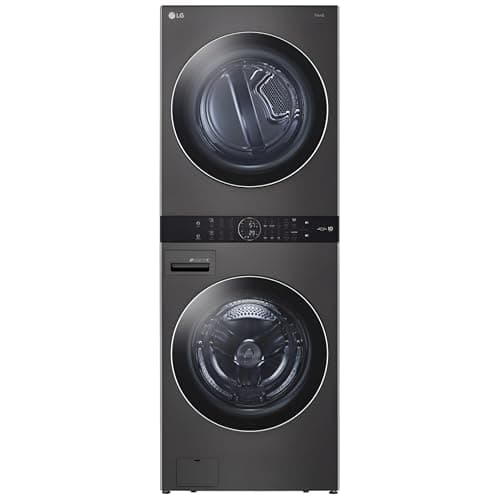
LG WashTower Review (2026): Honest Verdict After Testing
The biggest reason shoppers look at the LG WashTower is simple: it solves the awkward, bulky look of a traditional stacked washer and dryer setup. Instead of two separate appliances with a clunky gap in the middle, this unit is designed as one integrated laundry center, which makes it feel more poli
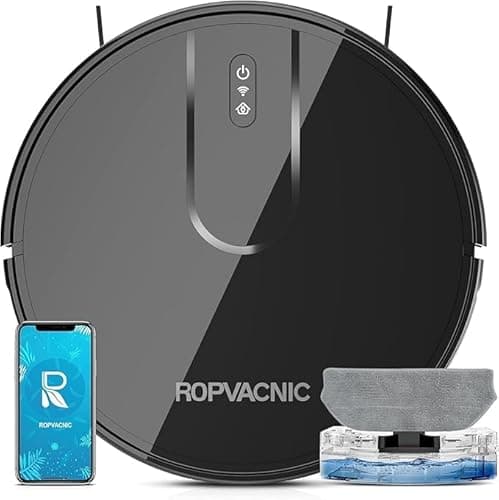
8 Best Robot Vacuums Under $500 in 2026 — Top Picks for Powerful Cleaning, Smart Mapping, and Self-Empty Convenience
If you’re trying to find the best robot vacuums under $500 , the challenge is separating real performance from flashy specs. You want strong suction, reliable navigation, and low-maintenance features like self-emptying—without paying premium-brand prices. This list focuses on models that deliver the