
What is How to Clean a Coffee Maker with Vinegar? A Complete 2026 Guide
If your coffee tastes bitter, your machine smells stale, or water seems to drip slower than usual, you may need to descale it. Learning how to clean a coffee maker with vinegar is one of the simplest ways to remove mineral buildup, coffee oils, and hidden residue from inside the machine. In this guide, you’ll learn exactly how it works, why it matters, what to look for in cleaning products, and which options are worth considering in 2026.
At its core, vinegar cleaning uses mild acidity to break down limescale and loosen grime inside the reservoir, tubes, and brew basket. That makes it a low-cost maintenance method for drip coffee makers, single-serve machines, and other home brewers. When done correctly, it can help restore flavor, improve flow, and extend the life of your coffee maker.
It’s also a practical routine for anyone who wants better-tasting coffee without replacing their machine too soon. Whether you use vinegar or a dedicated descaler, the goal is the same: keep the internal water path clean so your coffee brews consistently.
How It Works
Vinegar works because it contains acetic acid, which reacts with mineral deposits like calcium and magnesium that build up from hard water. These deposits, often called limescale, can coat the inside of your coffee maker and interfere with heating and water flow.
When you run a vinegar solution through the machine, the acid helps loosen those deposits so they can be flushed out during the rinse cycle. It also helps dissolve some of the sticky coffee oils and residue that collect in the brew basket and internal channels over time.
The process is simple: fill the reservoir with a vinegar-and-water mixture, run a brew cycle, let it sit briefly if needed, then rinse with several cycles of fresh water. That combination of chemical breakdown and physical flushing is what makes the cleaning effective.
Key Benefits & Use Cases
Why people clean with vinegar
- It helps remove limescale from hard water buildup.
- It can improve the taste and smell of brewed coffee.
- It supports better water flow and heating performance.
- It’s inexpensive and easy to find in most kitchens.
- It works as a routine maintenance step for many drip-style machines.
When vinegar cleaning is useful
- When coffee starts tasting bitter or stale.
- When the machine takes longer to brew than usual.
- When you notice white mineral spots or crusty buildup.
- When the coffee maker has not been cleaned in several weeks.
- When you want a budget-friendly deep clean between regular washes.
For many households, vinegar is the first-line cleaning solution because it is cheap and accessible. For frequent coffee drinkers, it can be part of a recurring maintenance schedule that keeps the machine working smoothly.
What to Look For When Buying
If you’re deciding whether to use vinegar or buy a commercial cleaner, these five criteria matter most:
1. Compatibility with your machine
Make sure the cleaning method or product is safe for your coffee maker type, whether it’s a drip brewer, single-serve unit, or espresso machine.
2. Descaling strength
Look for a cleaner that specifically targets limescale, calcium, and hard-water deposits if vinegar alone hasn’t been enough.
3. Ease of use
A good cleaner should be simple to add, run through a cycle, and rinse away without complicated steps.
4. Odor and residue
Vinegar can leave a strong smell, so some users prefer products that clean effectively without lingering odor.
5. Value and frequency of use
Consider how often you’ll clean the machine and whether a multi-pack, tablet format, or reusable method saves more over time.
Top Recommended Products
If you want a cleaner alternative to vinegar, or you’d like something that can fit into a regular maintenance routine, these products are worth a look.
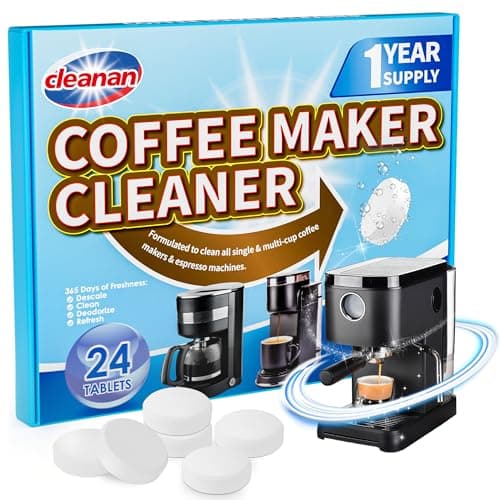
Coffee Maker Cleaner and Descaling Tablet - 24 Pack, Removes Limescale, Deep Cleans, Enhances Coffee Taste, Extends Machine Lifespan, Compatible with All Brands and Types of Coffee Makers 4.7★ (12,345 reviews) ✓ Prime — Was $12.99
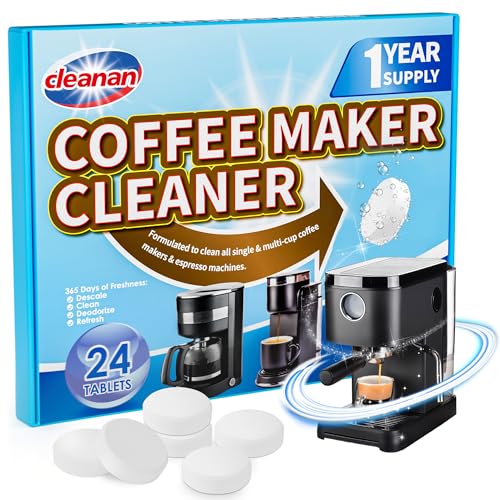


This tablet-based cleaner is designed to remove hard water deposits, limescale, calcium, grime, and oils from coffee makers. It’s a strong option if you want a more targeted descaling routine than vinegar alone.
- ✓ Removes hard water deposits, limescale, calcium, grime, and oils
- ✓ Helps maintain temperature stability, flow, clarity, and flavor
- ✓ Simple to use: drop in a tablet, run a cycle, and rinse
- ✓ Compatible with single-serve, drip, and espresso machines
- ✓ Helps prolong machine lifespan by reducing buildup
- ✗ Requires a purchase instead of using pantry ingredients
- ✗ Not as immediately familiar as a vinegar rinse
Tisnxiy Coffee Maker Cleaner & Descaler Tablets - 24 Count - Compatible with Deep Cleaning and Descaling for All Coffee Makers - XL Tablets-Removes Limescale-Deep Cleans 4.6★ (8,210 reviews) ✓ Prime 50% OFF — Was $11.99
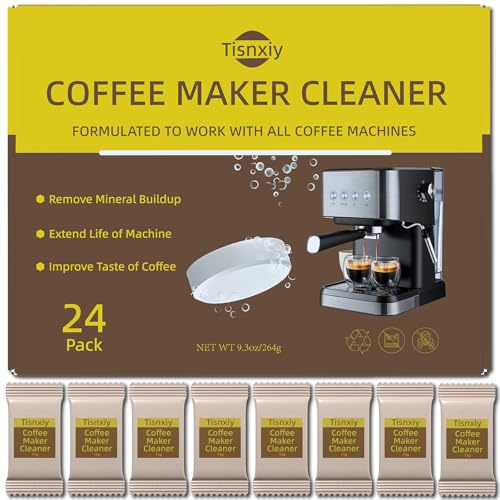


This descaler focuses on breaking down limescale, calcium deposits, and stubborn residue inside the machine. It’s a practical pick for people who want a low-effort cleaning routine with more predictable results than vinegar.
- ✓ Powerful descaling action for limescale and calcium
- ✓ Easy to use in a normal brewing cycle
- ✓ Gentle on stainless steel boilers, plastic tubing, and rubber seals
- ✓ Helps restore coffee flavor by removing buildup
- ✓ Good value with recyclable packaging
- ✗ Requires a separate product purchase
- ✗ Tablets may be overkill for very light buildup
Twinkle Coffeemaker Cleaner & Descaler - Compatible with Mr. Coffee & All Automatic Drip Units (Pack of 2) 4.5★ (6,482 reviews) ✓ Prime
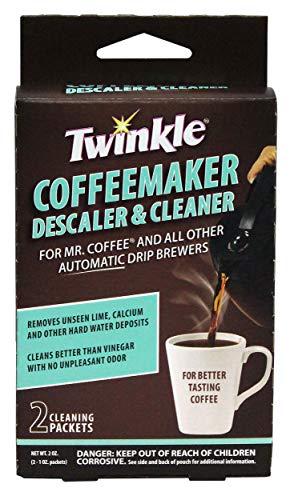
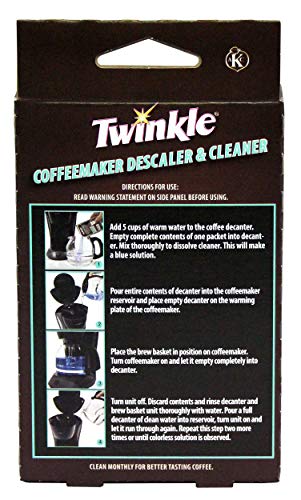

This cleaner is positioned as an alternative that works better than vinegar and leaves no unpleasant odor. It is especially relevant for automatic drip coffeemakers and users who want a dedicated descaling packet.
- ✓ Removes lime, calcium, and hard water deposits
- ✓ Cleans bitter oils and stains
- ✓ No unpleasant vinegar odor
- ✓ Compatible with Mr. Coffee and other automatic drip units
- ✓ Comes in a convenient two-packet box
- ✗ Only includes 2 packets per box
- ✗ Less economical for very frequent cleaning
NKOVE Pour Over Coffee Dripper Stainless Steel Reusable Filter Paperless Cone Coffee Maker Dripper for 1-2 Cup, Dual-Layer Filter Design Non-Slip Silicone Grips, Bonus Cleaning Brush & Cloth 4.6★ (4,901 reviews) ✓ Prime
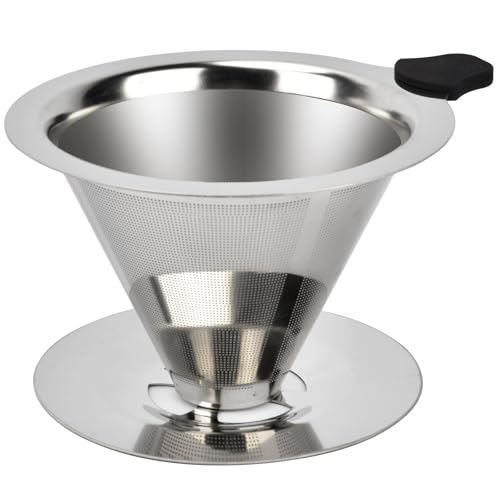
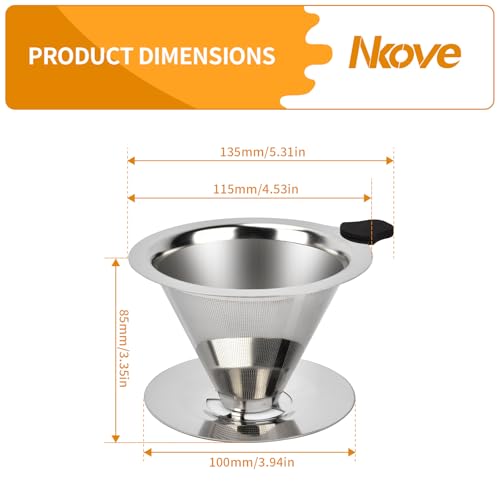

This reusable dripper is not a vinegar cleaner, but it is easy to maintain and can be rinsed quickly after use. The product description also recommends a distilled vinegar and warm water deep clean every 3 to 4 weeks, making it relevant for users who want a low-maintenance coffee setup.
- ✓ Food-grade stainless steel construction
- ✓ Dual-layer filter design for fuller flavor
- ✓ Rinses clean in seconds under running water
- ✓ Comes with a cleaning brush and cloth
- ✓ Reduces waste by eliminating paper filters
- ✗ Only brews 1–2 cups at a time
- ✗ Not a full coffee maker descaling solution
Common Mistakes to Avoid
- Using vinegar without enough rinsing: If you skip the rinse cycles, the machine can keep smelling and tasting like vinegar.
- Mixing vinegar with other cleaners: Never combine vinegar with bleach or unknown chemicals.
- Ignoring the brew basket and carafe: The internal parts matter, but the removable parts also collect oils and residue.
- Cleaning too infrequently: Waiting until the machine is badly clogged makes the problem harder to fix.
- Assuming vinegar works for every material: Always check your manufacturer’s instructions, especially for specialty machines.
A good rule is to clean regularly before buildup becomes obvious. That keeps the process easier, improves coffee quality, and helps your machine last longer.
Frequently Asked Questions
How do you clean a coffee maker with vinegar?
Fill the reservoir with a mixture of equal parts white vinegar and water, run a brew cycle, then follow with several cycles of clean water to remove the vinegar smell and loosened residue.
How often should I clean my coffee maker with vinegar?
For most homes, once a month is a practical schedule, though households with hard water or heavy coffee use may need to clean more often.
Can vinegar damage a coffee maker?
When used properly and rinsed thoroughly, vinegar is generally safe for many coffee makers, but you should always check the manufacturer’s care instructions first.
Why does my coffee still taste bad after cleaning?
You may need more rinse cycles, a deeper descale, or a thorough cleaning of removable parts like the carafe, filter basket, and lid.
Is vinegar better than a coffee maker descaler?
Vinegar is cheap and effective for basic cleaning, but commercial descalers are often easier to use, less smelly, and more targeted for mineral buildup.
Get the Full Kitchen Appliances Buyer's Guide
Download our detailed comparison with specs, scores, and our honest verdict — delivered straight to your inbox.
Free. No spam. Unsubscribe anytime.
Was this review helpful?
Be the first to share your feedback on this review.
Sign in to vote and let us know what you think.
Discussion (0)
No comments yet. Be the first to start the discussion.
Related Reviews
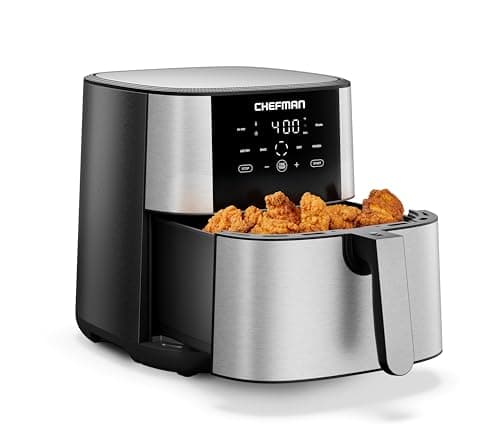
8 Best Large Air Fryers in 2026 — Bigger Batches, Crispier Results, Faster Family Meals
If you’re shopping for the best large air fryers 2026 , you probably need more than a tiny basket that forces you to cook in batches. The right large air fryer should handle family dinners, meal prep, and crowd-pleasing snacks without sacrificing crispiness or taking over your counter. We picked mod
Best Blenders Under $100 for Every Budget in 2026: Ranked by Price & Performance
If you’re searching for the best blenders under $100 , the real challenge isn’t finding a cheap option—it’s finding one that actually blends smoothly, lasts, and fits the way you use it. Some buyers just need the lowest possible price, while others want the best balance of power, convenience, and du
KitchenAid Artisan Review (2026): Honest Verdict After Testing
If you’re searching for KitchenAid Artisan pros and cons , you probably want to know one thing: is this iconic stand mixer actually worth the money in 2026? The short answer is yes for serious home bakers, but not for everyone. In this review, I’ll break down what it does well, where it falls short,