
What is Matter vs Thread Explained? A Complete 2026 Guide
Matter vs Thread explained can be confusing because people often assume they are competing smart home standards when they actually solve different problems. Matter is the language smart devices use to work together across brands, while Thread is one of the networking methods that helps those devices communicate reliably. If you’ve been trying to figure out which one you need, this guide breaks it down in plain English so you can buy smarter and avoid compatibility mistakes.
How It Works
The easiest way to understand Matter vs Thread explained is to think of them as two different layers of a smart home system. Matter is the universal “translator” that lets devices from different brands understand each other, while Thread is a low-power wireless network that helps those devices stay connected efficiently.
Matter is a software standard backed by major tech companies, designed to reduce the old problem of buying a device and then discovering it only works with one app, one ecosystem, or one voice assistant. When a device supports Matter, it can usually be added to compatible platforms more easily, which means less setup friction and fewer brand lock-ins.
Thread, on the other hand, is a mesh networking protocol. Instead of every smart device talking directly to your Wi-Fi router, Thread devices can relay signals through each other, creating a more resilient network. That mesh design is especially useful for small, always-on devices like sensors, locks, and switches because it can improve responsiveness and reduce strain on Wi-Fi.
Here’s the key relationship: Matter is the interoperability standard, and Thread is one possible transport network Matter can use. A device can support Matter over Wi-Fi, Matter over Thread, or sometimes both, depending on the product. So when shoppers ask whether they need Matter or Thread, the answer is usually “both, in the right places,” because they do different jobs.
Another important piece is the hub or border router. Thread devices typically need a Thread border router to connect the Thread mesh network to your broader home network and to the internet when needed. That border router may be built into a smart speaker, smart display, router, or hub from a compatible brand.
Key Benefits & Use Cases
Once you understand the difference, the value becomes clear: Matter and Thread are meant to make smart homes simpler, faster, and less frustrating. Instead of worrying whether every device uses the same ecosystem, you can focus on the features you actually want.
1. Easier cross-brand compatibility
Matter helps devices from different manufacturers work across major smart home platforms. That means you’re less likely to get stuck with a product that only works in one app or with one voice assistant. For buyers, this can reduce the risk of choosing the “wrong” ecosystem.
2. More reliable smart home connections
Thread is built for low-power, always-on devices and uses mesh networking to improve reliability. If one device goes offline, others can often route around it. This can be a big advantage for sensors, contact switches, motion detectors, and smart locks placed far from the router.
3. Faster response for everyday automation
Because Thread devices don’t have to rely on the same crowded Wi-Fi channel as every laptop and phone in the house, automations can feel more responsive. That matters for use cases like turning on lights when you enter a room or unlocking a door when you arrive home.
4. Lower power usage for battery devices
Thread is designed to be energy efficient, which helps battery-powered accessories last longer. If you’re buying door sensors, window sensors, or other tiny smart devices, Thread can be a strong advantage over Wi-Fi-only options.
5. Better future-proofing
Matter is designed to reduce fragmentation in the smart home market, and Thread adds a strong networking foundation beneath it. Together, they can make a purchase feel safer because the device is more likely to fit into future ecosystems and expansions.
Common use cases include smart bulbs, plugs, switches, thermostats, locks, sensors, and home hubs. If you’re building a new smart home, Matter gives you flexibility and Thread gives you a more robust network for supported devices. If you already own a mix of brands, Matter can help unify them without forcing a full ecosystem reset.
What to Look For When Buying
If you’re shopping with Matter vs Thread explained in mind, don’t just look for buzzwords on the box. The right choice depends on how you plan to use the device and what your current home setup already supports.
1. Matter support level
Check whether the device truly supports Matter, and if so, which features are available through Matter. Some products support core functions but still reserve advanced features for the manufacturer’s app. Make sure the features you care about won’t disappear when you switch platforms.
2. Thread support or Wi-Fi support
Look at whether the device uses Thread, Wi-Fi, or both. Thread is often better for small, low-power devices, while Wi-Fi may be fine for higher-bandwidth products. The right network choice depends on whether you want efficiency, coverage, speed, or simplicity.
3. Border router compatibility
If you want Thread devices, confirm that you already have a compatible Thread border router or plan to buy one. Without it, Thread devices may not integrate properly into your smart home. This is one of the most common hidden requirements shoppers miss.
4. Ecosystem compatibility
Even with Matter, you should still check which platforms the device works with today. Some products may support Apple Home, Google Home, Amazon Alexa, or SmartThings in different ways. The best buy is the one that fits your existing phones, speakers, and routines.
5. Installation and long-term support
Choose devices with straightforward setup, clear app support, and a track record of updates. Smart home standards improve compatibility, but good firmware support still matters. A device that is easy to install now and likely to stay updated later is usually the better investment.
Common Mistakes to Avoid
Most confusion around Matter vs Thread explained comes from assuming the terms are interchangeable. They are not, and mixing them up can lead to bad purchases or setup headaches.
1. Thinking Matter and Thread are the same thing
Matter is the compatibility standard; Thread is the network protocol. A device can support one without the other, so always check both labels separately.
2. Buying Thread devices without a border router
Thread products often need a compatible border router to work properly. If you skip this check, you may end up with a device that won’t connect the way you expected.
3. Assuming every Matter device uses Thread
Many Matter devices use Wi-Fi instead. That’s not a flaw—it just means Thread is not required for Matter to function. Always verify the transport method before buying.
4. Ignoring ecosystem limitations
Matter improves compatibility, but not every feature is guaranteed to work identically across every platform. Advanced automations or vendor-specific extras may still depend on the manufacturer’s app.
5. Overbuying the “latest” standard without a plan
Not every smart home needs Thread everywhere. For some homes, Matter over Wi-Fi is enough. Buy based on the device’s role, your home size, and your existing ecosystem—not just the newest label.
Frequently Asked Questions
Q1: What is the difference between Matter and Thread?
Matter is the smart home interoperability standard, while Thread is a low-power mesh networking protocol. Matter helps devices work across brands, and Thread helps them communicate reliably.
Q2: Do I need Matter if I already have Thread?
Yes, if you want cross-brand compatibility. Thread improves the network connection, but Matter is what lets devices from different manufacturers work together more smoothly.
Q3: Can a device have Matter without Thread?
Yes. Some Matter devices use Wi-Fi instead of Thread. Matter does not require Thread, although Thread can be a strong option for certain device types.
Q4: Do Thread devices need a hub?
Usually they need a Thread border router, which may be built into a smart speaker, hub, router, or display. That border router connects the Thread mesh to your wider network.
Q5: Is Matter worth it for a new smart home setup?
Yes, for many buyers it is. Matter can reduce compatibility headaches and make it easier to mix brands, while Thread can improve reliability for supported devices.
Get the Full Smart Home & Security Buyer's Guide
Download our detailed comparison with specs, scores, and our honest verdict — delivered straight to your inbox.
Free. No spam. Unsubscribe anytime.
Was this review helpful?
Be the first to share your feedback on this review.
Sign in to vote and let us know what you think.
Discussion (0)
No comments yet. Be the first to start the discussion.
Related Reviews
Nest Learning vs Ecobee (2026): Which Should You Actually Buy?
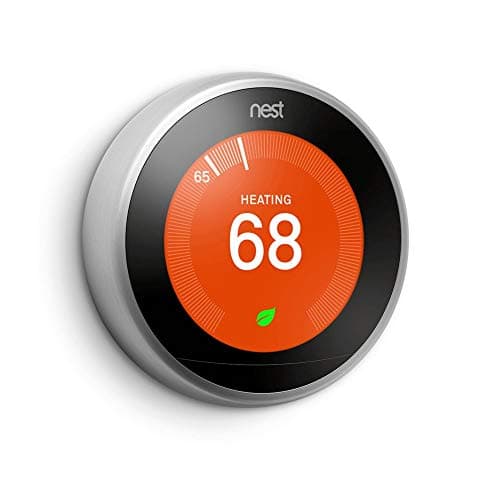
The Nest model is the more premium-looking option here, with a polished, iconic design that still stands out on the wall in 2026. It’s also the product that feels more like a flagship thermostat, especially if you want something that looks upscale in a visible part of your home.
What is Ring vs SimpliSafe security? A Complete 2026 Guide
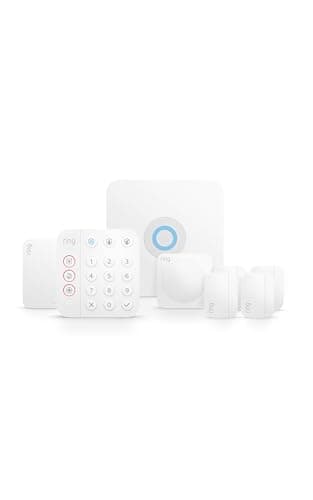
If you’re comparing Ring vs SimpliSafe security, you probably want the same three things: reliable protection, easy setup, and a system that fits your budget. The challenge is that both brands look similar on the surface, but they handle cameras, monitoring, and smart alerts in different ways. This

4 Best Google Home Devices in 2026 — Smarter Control, Better Sound, and Safer Rooms
If you’re trying to build a better smart home, the best Google Home devices are the ones that actually make daily life easier—not just louder or more connected. Whether you want a smart display for the kitchen, a speaker for whole-home audio, or a camera that works smoothly with Google Home, this li