What is Down vs Synthetic Sleeping Bag? A Complete 2026 Guide
If you’re trying to choose between a down vs synthetic sleeping bag, the hardest part is usually sorting real warmth from marketing claims. One bag may pack smaller and feel lighter, while the other may stay warmer when damp and cost less. This guide explains the difference in plain English so you can buy the right sleeping bag for your trips, budget, and weather.
How It Works
Sleeping bags keep you warm by trapping your body heat in thousands of tiny air pockets inside the insulation. The main difference in the down vs synthetic sleeping bag debate is the material used to create those pockets: down comes from soft clusters of goose or duck plumage, while synthetic bags use engineered polyester fibers that mimic loft and insulation.
Down insulation is prized because it can offer excellent warmth for its weight and compress down very small, which is ideal for backpacking. Synthetic insulation is usually less expensive and performs better when exposed to moisture, since the fibers are designed to keep insulating even if they get damp.
In simple terms, down tends to win on packability and warmth-to-weight ratio, while synthetic tends to win on affordability, easier care, and wet-weather reliability. That’s why the best choice depends less on “which is better” and more on how and where you camp.
Key Benefits & Use Cases
Why choose a down sleeping bag?
Down is often the top pick for backpackers who want the lightest possible setup and the smallest packed size. It shines on cold, dry trips where every ounce matters, such as alpine hiking, long-distance trekking, and minimalist camping.
Why choose a synthetic sleeping bag?
Synthetic insulation is a smart option for beginners, budget shoppers, car campers, and anyone who expects damp conditions. If your bag might get exposed to condensation, humidity, or occasional moisture, synthetic is usually the more forgiving choice.
When each type makes sense
- Down: ultralight backpacking, cold dry climates, long trips where pack size matters
- Synthetic: wet climates, budget camping, rental gear, family camping, and low-maintenance use
- Either type: weekend camping, shoulder-season trips, and general outdoor use when matched to the right temperature rating
What to Look For When Buying
1. Temperature rating
Check the comfort or survival rating carefully, not just the headline number. A 20-degree bag is not automatically comfortable at 20°F for every sleeper, so think about whether you sleep warm or cold.
2. Weight and packed size
If you hike with your gear, lighter and smaller usually matters more. Down usually compresses better, while synthetic bags can be bulkier for the same warmth.
3. Moisture resistance
If you camp in humid regions, near water, or in frequent rain, synthetic insulation is often the safer bet. Down can still work well, but it needs better care and protection from moisture.
4. Shape and fit
Mummy bags trap heat efficiently, while roomier cuts improve comfort and movement. Make sure the length, shoulder room, and footbox match your body and sleeping style.
5. Durability and ease of care
Look for quality zippers, ripstop shells, and a bag you can realistically maintain. Synthetic bags are typically easier to wash and keep using, while down bags may require more careful cleaning and storage.
Top Recommended Products
Kelty Cosmic Synthetic Fill 20 Degree Backpacking Sleeping Bag, Long – Compression Straps, Stuff Sack Included (2025) Prime ✓ Prime
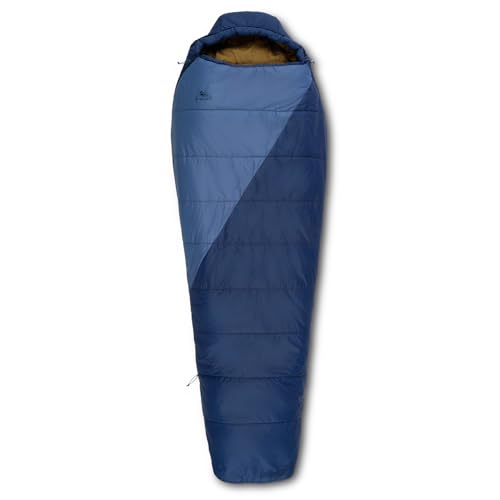


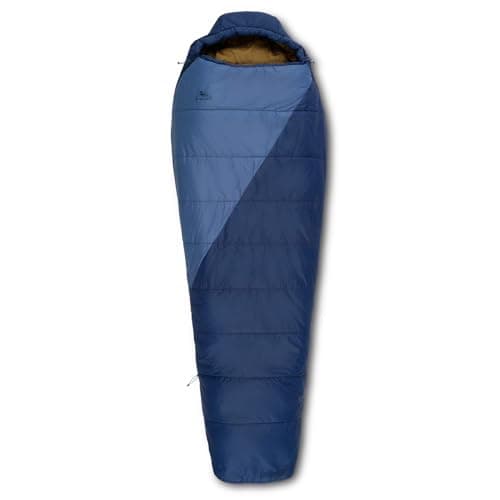
The Kelty Cosmic Synthetic Fill 20 Degree Backpacking Sleeping Bag, Long – Compression Straps, Stuff Sack Included (2025) is a strong example of why synthetic bags remain so popular. It uses Cirroloft synthetic insulation for reliable warmth in cold and damp conditions, and it includes an integrated compression stuff sack for easier packing.
- 20°F temperature rating for cooler nights
- Cirroloft synthetic insulation for warmth in damp conditions
- Integrated compression stuff sack for better packability
- Natural-fit footbox gives more room to wiggle
- Length options fit sleepers from 5'8" to 6'6"
✓ Pros
- Good balance of warmth, weight, and packability
- Reliable in cold and damp weather
- Spacious footbox and multiple length options
- Includes compression sack and stash pocket
✗ Cons
- Heavier and bulkier than many down bags
- Not the cheapest option in the synthetic category
Teton Trailhead, 20 Degree Sleeping Bag; Lightweight, Warm Mummy Sleeping Bag, Camping, Backpacking, Hiking Prime ✓ Prime
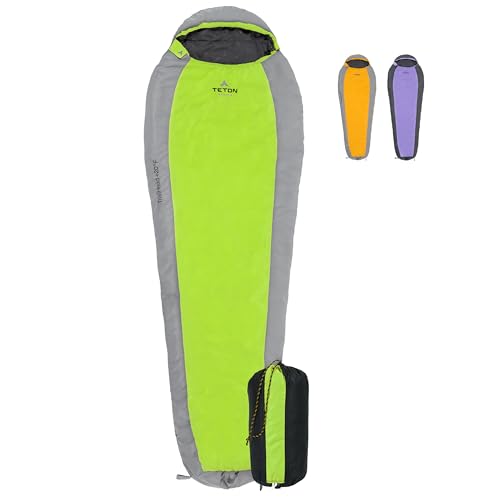


The Teton Trailhead, 20 Degree Sleeping Bag; Lightweight, Warm Mummy Sleeping Bag, Camping, Backpacking, Hiking is a budget-friendly synthetic option that focuses on warmth and comfort. Its microfiber insulation, mummy hood, and compression sack make it a practical choice for casual campers and first-time buyers.
- Mummy hood helps keep warmth in around your head and face
- Zipper draft tube and vaulted footbox improve comfort
- Lightweight microfiber insulation with good compressibility
- Durable compression sack included for storage and transport
- Survival rated to +20°F
✓ Pros
- Very affordable for a 20-degree synthetic bag
- Comfort-focused features like hood and draft tube
- Good for camping, hiking, and backpacking on a budget
- Includes compression sack
✗ Cons
- Bulkier than premium down alternatives
- May feel less refined than higher-end bags
Bessport Mummy Sleeping Bag | 15-45 ℉ Extreme 3-4 Season Sleeping Bag for Adults Cold Weather– Warm and Washable, for Hiking Traveling & Outdoor Activities Prime ✓ Prime
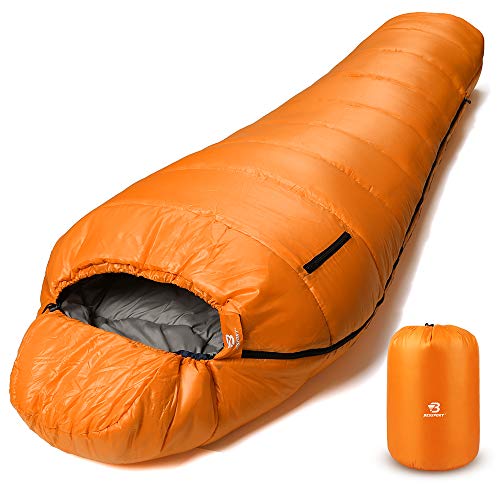


The Bessport Mummy Sleeping Bag | 15-45 ℉ Extreme 3-4 Season Sleeping Bag for Adults Cold Weather– Warm and Washable, for Hiking Traveling & Outdoor Activities is another synthetic pick aimed at comfort, durability, and easy transport. It uses ripstop polyester, a roomy fit, and heat-retention features that make it useful for general outdoor use.
- Large enough for adults up to 6'6"
- Water-repellent 210T ripstop polyester shell
- Insulated footbox and drawstring hood for warmth
- Includes stuff sack for storage and carry
- Designed for 3-4 season use
✓ Pros
- Roomy fit compared with many mummy bags
- Good value for a multi-season synthetic bag
- Water-repellent shell helps in damp conditions
- Durable materials and snag-resistant details
✗ Cons
- Heavier than high-end down bags
- Warmth claims may vary by sleeper and conditions
Bessport Mummy Sleeping Bag | 15-45 ℉ Extreme 3-4 Season Sleeping Bag for Adults Cold Weather– Warm and Washable, for Hiking Traveling & Outdoor Activities Prime ✓ Prime 9% OFF — Was $65.99
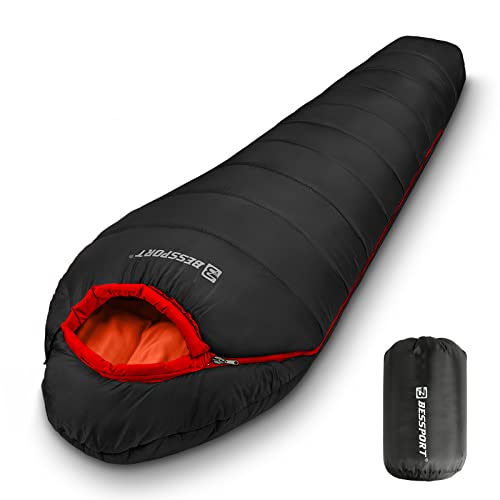
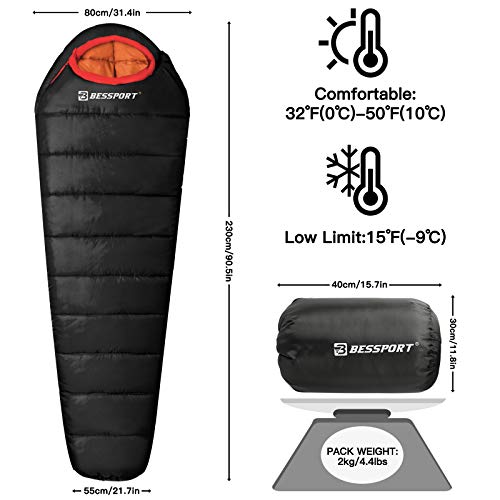

The Bessport Mummy Sleeping Bag | 15-45 ℉ Extreme 3-4 Season Sleeping Bag for Adults Cold Weather– Warm and Washable, for Hiking Traveling & Outdoor Activities is the discounted version of the Bessport synthetic bag and highlights the value side of the down vs synthetic sleeping bag decision. It offers synthetic loft microfiber, water resistance, and compact packing for a lower price.
- Comfort range of 32°F to 50°F; extreme use down to 15°F
- Full synthetic loft microfiber for warmth
- Compresses to a smaller carry size with the included bag
- Water-resistant and breathable rip-stop lining
- Anti-snag zipper and zipper wind protection
✓ Pros
- Strong value, especially with the discount
- Compact for a synthetic bag in this price range
- Good feature set for casual camping and travel
- Water-resistant materials improve versatility
✗ Cons
- Still not as compact as most down bags
- Warmth is best viewed as condition-dependent
Common Mistakes to Avoid
- Choosing by insulation type alone: Down is not always better, and synthetic is not always cheaper in the long run if you need a bag that lasts and performs in wet conditions.
- Ignoring temperature ratings: A warm-sounding bag can still be uncomfortable if the rating does not match your sleeping style or the season.
- Forgetting about moisture: If you camp in damp areas, a down bag may require more protection and care than you expect.
- Overlooking packed size: A synthetic bag may take up too much room in your pack if you’re backpacking long distances.
- Buying the wrong shape: A bag that is too tight can feel colder, while one that is too roomy may waste heat.
Frequently Asked Questions
Is down warmer than synthetic sleeping bag insulation?
Usually, yes. Down generally offers better warmth for its weight, which is why it is so popular with backpackers and cold-weather campers.
Is synthetic sleeping bag better for wet weather?
Often, yes. Synthetic insulation tends to handle moisture better and keeps insulating more reliably when conditions are damp.
Which is more affordable: down vs synthetic sleeping bag?
Synthetic sleeping bags are usually more affordable upfront. Down bags often cost more because of the insulation material and their lighter, more compressible design.
Which sleeping bag packs smaller?
Down sleeping bags usually pack smaller than synthetic bags. That compact size is one of the biggest advantages of down for backpacking.
What is the best choice for beginners?
For many beginners, synthetic is the safer and simpler choice because it is budget-friendly, easier to care for, and more forgiving in wet conditions.
Get the Full Camping, Hiking & Hunting Buyer's Guide
Download our detailed comparison with specs, scores, and our honest verdict — delivered straight to your inbox.
Free. No spam. Unsubscribe anytime.
Was this review helpful?
Be the first to share your feedback on this review.
Sign in to vote and let us know what you think.
Discussion (0)
No comments yet. Be the first to start the discussion.
Related Reviews
8 Best Ultralight Tents in 2026 — Lightweight Shelters That Cut Pack Weight Without Sacrificing Weather Protection
If you’re searching for the best ultralight tents 2026, you probably want one thing: a shelter that disappears in your pack but still holds up when the weather turns. The challenge is finding a tent that balances weight, livability, setup speed, and real-world protection without overpaying for featu
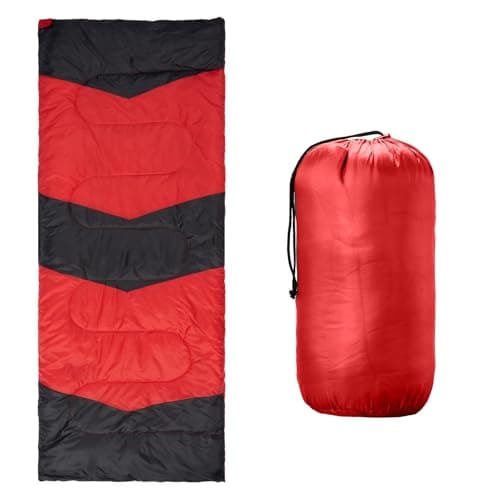
Best Cheap Sleeping Bags for Every Budget in 2026: Ranked by Price & Performance
If you’re shopping for the best cheap sleeping bags , the hard part isn’t finding something low-cost — it’s finding one that won’t leave you cold, cramped, or annoyed by the end of the night. The good news: at today’s budget prices, you can still get a usable sleeping bag for casual camping, travel,