
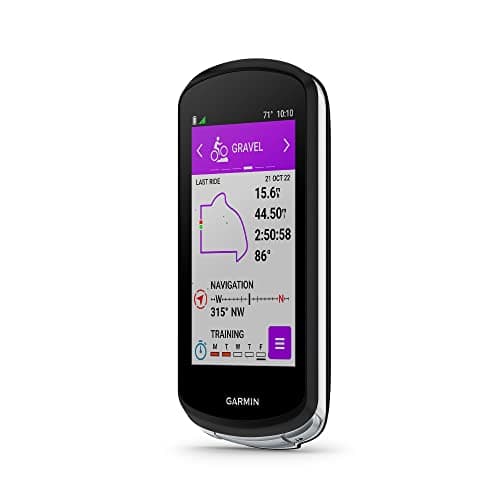
Garmin Edge 1040 Solar Review (2026): Honest Verdict After Testing
Key Specifications
| Specification | Details |
|---|---|
| Product | Garmin Edge® 1040 Solar |
| Price | $699.99 |
| Prime | ✓ Prime |
| Battery | Up to 100 hours in battery saver mode; up to 45 hours in demanding use cases |
| Charging | Power Glass solar charging lens |
| Navigation | Multi-band GNSS for enhanced positioning accuracy |
| Connectivity | Bluetooth smart connectivity |
| Training Features | Cyclist strength classification and course-demand comparison |
Design & Build Quality
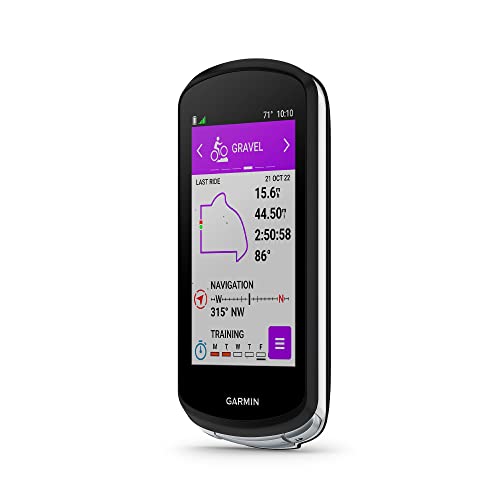
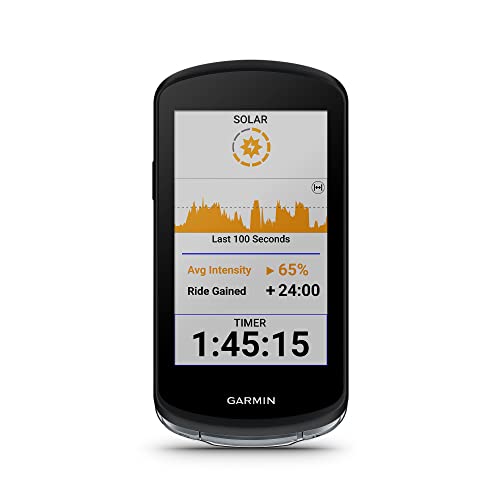 The Garmin Edge® 1040 Solar feels exactly like what you want from a flagship bike computer: sturdy, purposeful, and built to survive long rides in changing conditions. The screen is designed for outdoor readability, and the overall unit has the kind of premium fit and finish that justifies its top-tier positioning.
What stands out most is how practical the design is for real riding. Garmin’s simplified setup and streamlined interface make it easier to get moving quickly, while still giving you access to advanced data fields and navigation tools when you need them. The solar-charging lens is integrated cleanly, so it doesn’t feel like a gimmick bolted on top of the device.
The Garmin Edge® 1040 Solar feels exactly like what you want from a flagship bike computer: sturdy, purposeful, and built to survive long rides in changing conditions. The screen is designed for outdoor readability, and the overall unit has the kind of premium fit and finish that justifies its top-tier positioning.
What stands out most is how practical the design is for real riding. Garmin’s simplified setup and streamlined interface make it easier to get moving quickly, while still giving you access to advanced data fields and navigation tools when you need them. The solar-charging lens is integrated cleanly, so it doesn’t feel like a gimmick bolted on top of the device.
Design highlights
- Rugged build suited to road, gravel, and off-road use
- Solar lens adds battery support without changing the device’s core usability
- Streamlined interface makes setup and on-device adjustments faster
- Bluetooth connectivity supports easier pairing and everyday convenience
✓ Pros
- Premium, durable construction
- Clean integration of solar charging
- Easy-to-use interface for a feature-rich device
- Good for both on-road and off-road riding
✗ Cons
- Large, expensive device for riders who only need basic tracking
- Feature depth can feel overwhelming if you just want speed, distance, and directions
Performance & Real-World Use

 This is where the Garmin Edge 1040 earns its reputation. The multi-band GNSS technology is a major advantage if you ride in dense cities, wooded trails, mountain terrain, or anywhere standard GPS can struggle. In practical terms, it means better positioning accuracy and fewer frustrating navigation errors.
Battery life is another huge selling point. Garmin claims up to 100 hours in battery saver mode and up to 45 hours in demanding use cases, with solar support extending ride time during daylight. For endurance riders, bikepackers, and long weekend adventurers, that kind of stamina is a real competitive edge.
Training features are also deeper than what casual riders usually need. The device can classify your strengths as a cyclist and compare your ability to the demands of a specific course when paired with compatible sensors. That makes it especially appealing for structured training and performance-focused riders who want more than basic route guidance.
In day-to-day use, the Edge 1040 is best described as powerful and confidence-inspiring. It handles long navigation sessions, ride tracking, and performance metrics without feeling flimsy or limited. The tradeoff is that you’re paying for capability, and if you don’t use that capability regularly, the value drops fast.
This is where the Garmin Edge 1040 earns its reputation. The multi-band GNSS technology is a major advantage if you ride in dense cities, wooded trails, mountain terrain, or anywhere standard GPS can struggle. In practical terms, it means better positioning accuracy and fewer frustrating navigation errors.
Battery life is another huge selling point. Garmin claims up to 100 hours in battery saver mode and up to 45 hours in demanding use cases, with solar support extending ride time during daylight. For endurance riders, bikepackers, and long weekend adventurers, that kind of stamina is a real competitive edge.
Training features are also deeper than what casual riders usually need. The device can classify your strengths as a cyclist and compare your ability to the demands of a specific course when paired with compatible sensors. That makes it especially appealing for structured training and performance-focused riders who want more than basic route guidance.
In day-to-day use, the Edge 1040 is best described as powerful and confidence-inspiring. It handles long navigation sessions, ride tracking, and performance metrics without feeling flimsy or limited. The tradeoff is that you’re paying for capability, and if you don’t use that capability regularly, the value drops fast.
Performance highlights
- Multi-band GNSS improves accuracy in difficult environments
- Exceptional battery life for long rides and endurance events
- Solar charging helps extend real-world runtime
- Advanced training insights suit serious cyclists
✓ Pros
- Excellent navigation accuracy
- Outstanding battery life
- Solar charging adds meaningful endurance support
- Strong performance for training and course planning
✗ Cons
- Overkill for riders who only need basic ride stats
- Premium features come with a premium price
- Best functions are most useful with compatible sensors
Value for Money
At $699.99, the Garmin Edge® 1040 Solar is not an impulse buy. It is priced for cyclists who will actively use its navigation accuracy, long battery life, and training analytics often enough to justify the cost. If you ride long distances, race, tour, or frequently explore unfamiliar routes, the value proposition makes sense. The solar charging and battery endurance alone can reduce charging anxiety, while the advanced GNSS and training tools add real utility. That combination is what separates it from cheaper bike computers that may look similar on paper but fall short in demanding conditions. For casual weekend riders, though, the value is harder to defend. If you mostly ride local loops and don’t need multi-day battery life or advanced training analysis, you’ll likely be paying for features that sit unused.✓ Pros
- High-end feature set justifies the price for serious riders
- Battery life and solar support add real-world value
- Navigation and training tools reduce the need for upgrades later
✗ Cons
- Expensive compared with basic cycling computers
- Value depends heavily on how much you’ll use advanced features
Who Should Buy This
The Garmin Edge 1040 is best for riders who want a premium cycling computer that can do nearly everything well.- Endurance cyclists who need long battery life
- Bikepackers and touring riders who spend long days in the saddle
- Gravel and off-road riders who need better navigation accuracy
- Performance-focused cyclists using sensors and structured training
- Riders who want a top-tier Garmin with solar support
Who Should Look Elsewhere
You should probably skip this model if your riding habits are simpler.- Casual riders who only track speed, distance, and time
- Budget shoppers looking for a lower-cost GPS bike computer
- Indoor cyclists who won’t benefit from solar charging or multi-band GNSS
- Anyone who doesn’t want to pay for advanced training features
Final Verdict
So, is the Garmin Edge 1040 worth it? Yes — but only if you’ll actually use what makes it special. For serious cyclists, endurance riders, and navigation-heavy adventurers, it’s one of the most capable bike computers you can buy in 2026. If you want elite battery life, excellent GPS accuracy, and deep training tools in one device, this is a buy. If you’re a casual rider, it’s probably too much computer for your needs.Frequently Asked Questions
Is the Garmin Edge 1040 worth it for casual riders?
Usually not. Casual riders may not need the advanced navigation, training insights, or extreme battery life, so the price can feel excessive.
How long does the Garmin Edge 1040 battery last?
Garmin says it can last up to 100 hours in battery saver mode or up to 45 hours in demanding use cases, with solar charging helping extend runtime in daylight.
Does the Garmin Edge 1040 work well for gravel and off-road riding?
Yes. Its multi-band GNSS technology is designed to improve positioning accuracy in challenging environments, which is especially useful off-road.
Can the Garmin Edge 1040 help with training?
Yes. It can classify your cycling strengths and compare them to the demands of a course when paired with compatible sensors, making it useful for structured training.
Is the Garmin Edge 1040 too expensive?
It can be, depending on your needs. For serious cyclists, the price is easier to justify; for basic ride tracking, it’s likely more than necessary.
Get the Full Cycling Buyer's Guide
Download our detailed comparison with specs, scores, and our honest verdict — delivered straight to your inbox.
Free. No spam. Unsubscribe anytime.
Was this review helpful?
Be the first to share your feedback on this review.
Sign in to vote and let us know what you think.
Discussion (0)
No comments yet. Be the first to start the discussion.
Related Reviews
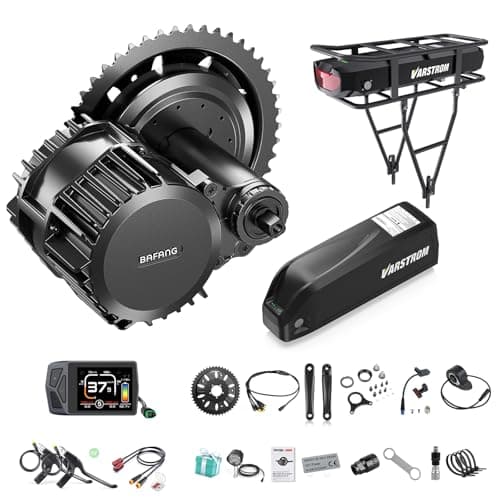
What is hub drive vs mid drive e-bike? A Complete 2026 Guide
If you’re trying to understand hub drive vs mid drive e-bike , the confusing specs, jargon, and marketing claims can make buying feel harder than it should. The good news is that the difference comes down to where the motor sits and how it delivers power, which changes ride feel, hill-climbing, main
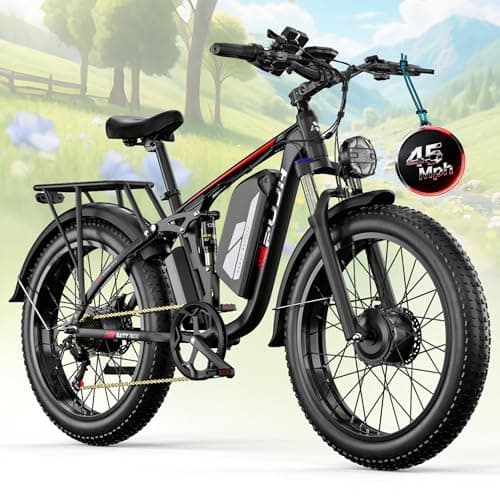
8 Best Electric Mountain Bikes in 2026 — Best Value, Range, and Off-Road Power
If you’re trying to find the best electric mountain bikes 2026 , the hardest part is cutting through the noise: too many bikes promise power, range, and trail-ready handling, but not all of them deliver. This list focuses on e-bikes that give you the best mix of climbing ability, battery range, susp
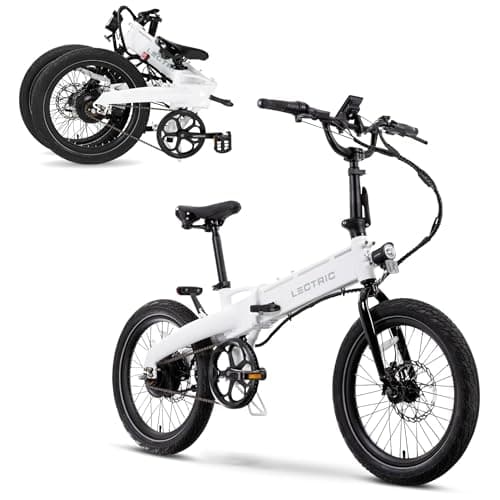
Lectric XP4 750 6 month test Review (2026): Honest Verdict After Testing
Check Price on Amazon →