
What is Pellet Grill vs Gas Grill? A Complete 2026 Guide
A pellet grill vs gas grill comparison usually comes down to one thing: convenience versus flavor. If you want to know which one is easier to use, which one tastes better, and which one fits your cooking style, you’re in the right place. This guide breaks down how each grill works, where it shines, and what to look for before you buy.
How It Works
A gas grill uses propane or natural gas to heat burners under the cooking grate. You turn a knob, the burners ignite, and heat rises quickly to cook food fast and predictably. Because the heat is direct and easy to control, gas grills are popular for weeknight meals, burgers, hot dogs, chicken breasts, and other quick-cook foods.
A pellet grill uses compressed wood pellets as fuel. An electric controller feeds pellets from a hopper into a fire pot, where an igniter and fan help maintain the chosen temperature. This setup gives pellet grills their signature ability to cook low and slow while adding wood-fired flavor, and many models can also handle roasting, baking, and even some high-heat grilling.
The biggest technology difference is how heat is produced and managed. Gas grills are built for fast ignition and instant temperature changes, while pellet grills rely on automated fuel delivery for more precise, steady heat over longer cooks. In simple terms: gas grills are about speed and simplicity, while pellet grills are about flavor, automation, and versatility.
Key Benefits & Use Cases
Why choose a pellet grill?
Pellet grills are ideal if you want smoky flavor without babysitting a fire. They are especially useful for brisket, ribs, pork shoulder, turkey, salmon, baked sides, and meal prep that benefits from consistent temperatures. Many buyers also like pellet grills because they can set a target temperature and let the grill do much of the work.
Why choose a gas grill?
Gas grills are best for people who want fast preheat times, easy cleanup, and straightforward weeknight cooking. If your main goal is to grill steaks, burgers, vegetables, and chicken quickly, gas is hard to beat. They’re also a strong fit for households that grill often but don’t want to manage fuel pellets or wait for a longer startup process.
Best use cases by lifestyle
- Busy families: Gas grill for fast dinners and simple operation.
- Weekend pitmasters: Pellet grill for smoking, roasting, and long cooks.
- Flavor-focused cooks: Pellet grill for wood-fired taste and steady heat.
- Convenience-first buyers: Gas grill for quick ignition and low-maintenance use.
- All-purpose outdoor cooks: Pellet grill if you want more cooking modes in one machine.
What to Look For When Buying
1. Temperature range
Check how low and how high the grill can go. Pellet grills should hold steady low temperatures for smoking, while gas grills should heat quickly and reach a strong sear for steaks and burgers. A wider temperature range usually means more cooking flexibility.
2. Cooking space
Think about how many people you usually cook for. Larger families or frequent hosts may need more primary grate space, while smaller households can save money with a more compact model. Also consider whether the grill offers warming racks or secondary shelves for extra capacity.
3. Build quality and materials
Look for durable steel, solid grates, and a lid that seals well. Better construction helps with heat retention, weather resistance, and long-term reliability. For pellet grills, hopper and controller quality matter too; for gas grills, burner construction and ignition systems are especially important.
4. Ease of cleaning
Gas grills are often simpler to clean because you mainly deal with grease trays and grates. Pellet grills may require ash removal, hopper care, and more attention to internal components. If low maintenance is important, compare how often each grill needs deep cleaning.
5. Control and features
Consider whether you want simple knobs or more advanced digital controls. Pellet grills may include Wi-Fi, meat probes, and app monitoring, while gas grills may offer side burners, sear burners, or rotisserie compatibility. The right features depend on whether you value precision, speed, or versatility most.
Common Mistakes to Avoid
One common mistake is assuming all grills do the same job equally well. A pellet grill can be excellent for smoking and steady roasting, but a gas grill usually wins on instant heat and quick weeknight cooking. Choosing without matching the grill to your actual cooking habits often leads to disappointment.
Another mistake is ignoring temperature control and recovery. Some cheaper grills struggle to hold heat, especially in windy or cold conditions. If you cook year-round, make sure the grill is built well enough to maintain performance in real outdoor conditions.
Many buyers also overlook maintenance needs. Pellet grills need pellet storage, ash cleanup, and occasional attention to the fire pot and auger system. Gas grills need burner cleaning, grease management, and regular checks for fuel connections. Skipping maintenance can shorten the life of either grill.
Finally, don’t buy based only on size or price. A larger grill is not always better if it takes too long to heat or wastes fuel. Instead, focus on how you cook, how often you grill, and whether you want convenience, smoke flavor, or both.
Frequently Asked Questions
Is a pellet grill better than a gas grill?
It depends on what matters most to you. A pellet grill is usually better for smoke flavor, low-and-slow cooking, and temperature automation, while a gas grill is better for speed, simplicity, and quick everyday grilling.
Which grill is easier to use, pellet grill vs gas grill?
Gas grills are generally easier for beginners because they heat up quickly and use simple controls. Pellet grills are also user-friendly, but they involve pellets, startup time, and more components to manage.
Does a pellet grill taste better than a gas grill?
For many people, yes, because pellet grills use wood pellets that add noticeable smoky flavor. Gas grills can still produce great food, but they usually deliver less smoke character unless you add smoke accessories or cook with indirect methods.
Which is cheaper to run, pellet grill vs gas grill?
It varies by fuel prices and how often you cook. Gas grills can be economical for frequent quick meals, while pellet grills may cost more to operate during long smoking sessions because they burn fuel for a longer time.
Can a pellet grill replace a gas grill?
Sometimes, but not always. A pellet grill can cover a lot of cooking styles, including smoking, roasting, and some grilling, but a gas grill still has advantages for fast preheating and high-heat searing.
Get the Full Grills & Outdoor Cooking Buyer's Guide
Download our detailed comparison with specs, scores, and our honest verdict — delivered straight to your inbox.
Free. No spam. Unsubscribe anytime.
Was this review helpful?
Be the first to share your feedback on this review.
Sign in to vote and let us know what you think.
Discussion (0)
No comments yet. Be the first to start the discussion.
Related Reviews
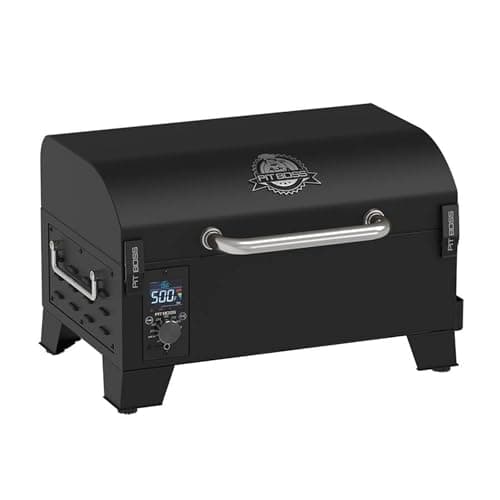
What is How to Clean a Pellet Grill? A Complete 2026 Guide
If your pellet grill is starting to smoke unevenly, smell stale, or struggle to hold temperature, the problem is usually buildup—not the cooker itself. Learning how to clean a pellet grill keeps your food tasting better, helps your grill run more efficiently, and can extend the life of the unit. In
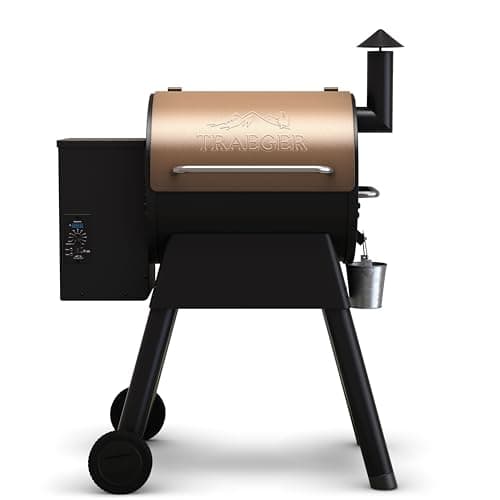
8 Best High End Pellet Grills in 2026 — Smarter Temperature Control, Bigger Capacity, Better Smoke
If you’re trying to find the best high end pellet grills , you probably want more than just “it cooks.” You want rock-solid temperature control, enough room for real backyard cooks, and the kind of smoke flavor that makes the upgrade worth it. This list focuses on premium pellet grills that stand ou

Best Alternatives to Yeti in 2026 — Cheaper, Better, or Both?
If you’re searching for Yeti alternatives cheaper coolers , you’re probably tired of paying premium-brand prices for gear that doesn’t always feel dramatically better. The good news: there are smarter options that can save you money, give you more useful features, or simply fit your setup better. Be