
What is sit in vs sit on top kayak? A Complete 2026 Guide
If you’re trying to decide between a sit in vs sit on top kayak, the biggest challenge is usually knowing which design actually fits your water, weather, and comfort needs. The wrong choice can leave you feeling cramped, wet, unstable, or underprepared for the kind of paddling you want to do. This guide breaks down the differences in plain English so you can choose the right kayak with confidence.
At a basic level, a sit-in kayak places you down inside the hull with your legs enclosed, while a sit-on-top kayak has an open deck and you sit above the body of the kayak. Each style changes how the kayak handles, how protected you feel from wind and water, and how easy it is to get in and out. The best choice depends on whether you value speed and weather protection or convenience and easy access.
How It Works
The main difference between these two kayak styles is how your body sits relative to the boat’s hull. In a sit-in kayak, your lower body is inside the cockpit, which lowers your center of gravity and can make the boat feel more connected to your body. In a sit-on-top kayak, you sit on a molded seat on top of the deck, and the kayak is designed so water drains away through scupper holes or channels.
That design difference affects nearly everything about the ride. Sit-in kayaks usually offer better protection from wind, spray, and cold water because the cockpit can be paired with a spray skirt, and the enclosed position helps keep your legs drier. Sit-on-top kayaks are more open, so they are easier to hop on and off, simpler to recover after a capsize, and often more beginner-friendly for warm-weather recreation.
Think of it like this: sit-in kayaks are built for efficiency and coverage, while sit-on-top kayaks are built for accessibility and simplicity. Neither is universally better; they are optimized for different paddling conditions and comfort preferences.
Key Benefits & Use Cases
Sit-In Kayak Benefits
- Better protection from wind, splash, and colder water
- More efficient paddling for distance, touring, and fitness
- Lower seating position can improve control and tracking
- Can be paired with a spray skirt for added dryness
Sit-in kayaks are often a strong choice for paddlers who want to cover longer distances, paddle in cooler conditions, or spend more time on lakes, rivers, and coastal waters where efficiency matters. They also tend to feel more secure for people who like being partially enclosed.
Sit-On-Top Kayak Benefits
- Easier to enter and exit, especially from docks or beaches
- Self-draining design helps manage water on the deck
- Great for casual paddling, fishing, and warm climates
- Usually simpler to use for beginners and recreational users
Sit-on-top kayaks are popular for relaxed outings, fishing, family use, and situations where getting wet is not a problem. They’re especially appealing if you want a low-stress kayak that is easy to launch, easy to recover from, and easy to share with others.
Which One Fits Which Situation?
If you plan to paddle in colder weather, want better wind protection, or care about efficient forward motion, a sit-in kayak often makes more sense. If you want the easiest possible entry, a stable open feel, and a kayak that’s simple to use for casual trips, a sit-on-top kayak is usually the better fit.
What to Look For When Buying
1. Intended Water Type
Match the kayak to where you’ll actually paddle most often. Calm lakes, moving rivers, coastal water, and fishing spots can all favor different designs, and the best sit in vs sit on top kayak choice depends heavily on environment.
2. Stability vs Speed
Wider kayaks usually feel more stable, while narrower kayaks tend to move faster and track straighter. If you’re a beginner or fishing, stability may matter more; if you want longer-distance paddling, efficiency becomes more important.
3. Comfort and Seating
Check the seat, footrest adjustability, legroom, and back support. A kayak can look great on paper, but if the seating position feels cramped or awkward, you won’t enjoy using it for long sessions.
4. Weight and Portability
Consider how much the kayak weighs and how you’ll transport it. If you need to carry it alone, load it onto a vehicle, or move it across uneven ground, lighter models are much easier to live with.
5. Storage and Gear Capacity
Look at hatches, deck space, tie-down points, and overall load capacity. Touring paddlers may need room for dry bags and safety gear, while anglers may want space for tackle, rods, and accessories.
Common Mistakes to Avoid
One common mistake is choosing based on appearance instead of use case. A kayak that looks sleek may not be comfortable, stable, or practical for your water conditions.
Another mistake is ignoring climate. A sit-on-top kayak can be great in warm weather, but it may feel exposed and chilly in colder conditions. On the other hand, a sit-in kayak may feel too enclosed if you mainly want a relaxed summer paddle.
People also often underestimate transport and storage. If a kayak is too heavy or too long for your vehicle and storage space, you may use it less often than you planned.
Finally, don’t assume one style is automatically safer. Safety depends on matching the kayak to your skill level, wearing a properly fitted life jacket, and understanding the water you’re paddling.
Frequently Asked Questions
Is a sit-in kayak better than a sit-on-top kayak?
Neither is always better. A sit-in kayak is often better for colder conditions, longer trips, and efficiency, while a sit-on-top kayak is usually better for easy entry, casual use, and warm-weather recreation.
Which is more stable: sit in or sit on top kayak?
Sit-on-top kayaks often feel more stable to beginners because of their wider, open design. However, stability depends more on hull shape and width than on style alone.
Are sit-on-top kayaks good for beginners?
Yes. Many beginners like sit-on-top kayaks because they are easy to get on and off, simple to recover from, and forgiving for casual paddling.
Are sit-in kayaks harder to get out of?
They can be, especially if you are not used to the enclosed cockpit. That said, with practice and the right fit, most paddlers can enter and exit a sit-in kayak comfortably and safely.
Which kayak is better for fishing?
Sit-on-top kayaks are often preferred for fishing because of their open deck, easy movement, and simpler access to gear. Some anglers still choose sit-in models, but sit-on-top designs are generally more convenient.
Get the Full Water Sports & Fishing Buyer's Guide
Download our detailed comparison with specs, scores, and our honest verdict — delivered straight to your inbox.
Free. No spam. Unsubscribe anytime.
Was this review helpful?
Be the first to share your feedback on this review.
Sign in to vote and let us know what you think.
Discussion (0)
No comments yet. Be the first to start the discussion.
Related Reviews
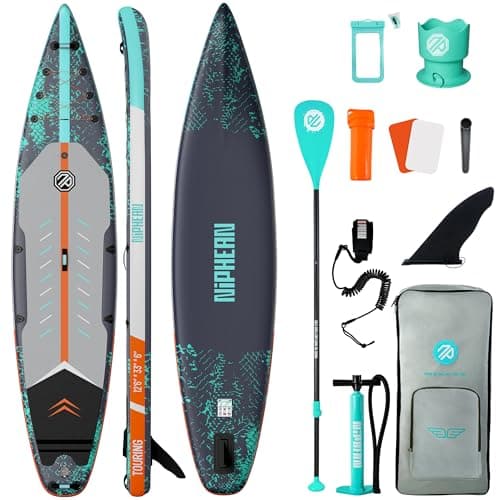
What is Inflatable vs Hardboard SUP? A Complete 2026 Guide
If you’re stuck choosing between an inflatable vs hardboard SUP, you’re probably trying to balance stability, portability, and performance without wasting money. The good news is that the “best” board depends less on hype and more on how you plan to paddle, transport, and store it. In this guide, yo
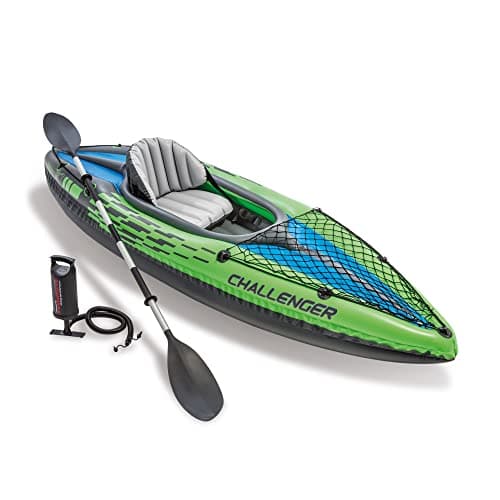
8 Best Inflatable Kayaks in 2026 — Lightweight, Durable Picks for Lakes, Rivers, and Easy Transport
If you want the best inflatable kayaks 2026 has to offer, you’re probably trying to solve one of three problems: limited storage space, a tight budget, or the need for a kayak that’s easy to carry and quick to inflate. The picks below focus on real-world value, including stability, durability, porta
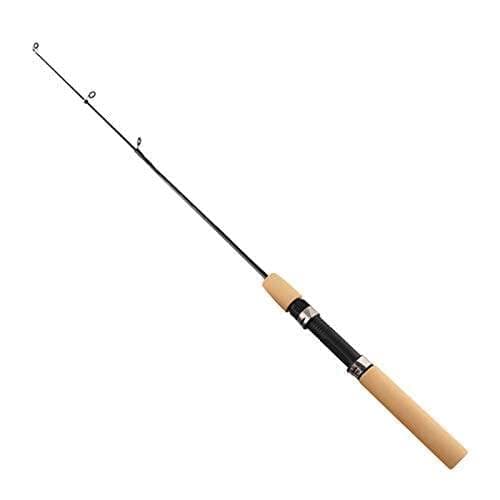
Best Fishing Combos for Every Budget in 2026: Ranked by Price & Performance
If you’re searching for the best fishing combos under $100 , the reality is simple: most “combo” listings in this budget are ultra-basic starter setups or add-on accessories, not full rod-and-reel kits. That means the smartest buy depends on whether you want the absolute lowest-cost way to get on th