
What is a Camera Lens Buying Guide? A Complete 2026 Guide
If you’re trying to buy a new lens and keep getting lost in focal lengths, mount types, and confusing specs, you’re not alone. A good camera lens buying guide helps you match the right lens to your camera, your budget, and the kind of photos you actually want to take. In this guide, you’ll learn how lenses work, what matters most when shopping, and which products can help you make a smarter purchase in 2026.
How It Works
A camera lens is a carefully shaped set of glass elements that bends light so your camera sensor can create a sharp image. Different lens designs control how much of the scene you see, how close you can get to a subject, and how much background blur you can achieve. That’s why two lenses that fit the same camera can still produce very different results.
When shopping for a lens, the most important idea is that the lens and camera body must work together physically and electronically. The mount has to match, and in many cases the lens also communicates autofocus, aperture, and image stabilization data to the camera. Once that connection is made, the lens decides the perspective, while the camera sensor records the image.
Focal length is one of the biggest factors in how a lens behaves. Shorter focal lengths are wider and capture more of the scene, while longer focal lengths make distant subjects appear closer. Aperture affects how much light enters the lens, which influences low-light performance and depth of field.
Key Benefits & Use Cases
Choosing the right lens can dramatically improve your results without replacing your entire camera system. A well-matched lens can make photos look sharper, brighter, and more professional. It can also make shooting easier by giving you the right framing for the situation.
Here are the most common use cases:
- Portrait photography: Lenses with flattering perspective and strong background blur help subjects stand out.
- Travel and everyday shooting: Versatile lenses make it easier to capture landscapes, people, and details without swapping gear constantly.
- Sports and wildlife: Longer lenses help you get closer to faraway action.
- Macro and detail work: Close-focusing lenses are ideal for products, flowers, and textures.
- Video: Smooth autofocus and stable handling matter for reliable recording.
For many buyers, the biggest benefit of a smart lens purchase is value. Instead of upgrading the camera body first, the right lens often delivers a bigger improvement in image quality and creative control.
What to Look For When Buying
Before you buy, focus on these five criteria so you don’t waste money on the wrong gear.
1. Lens Mount Compatibility
The lens must fit your camera body. Always confirm the mount type first, because even a great lens is useless if it doesn’t attach properly.
2. Focal Length
Choose focal length based on your subjects. Wide lenses suit landscapes and interiors, standard lenses work for everyday use, and telephoto lenses are better for distant subjects.
3. Aperture
A wider maximum aperture lets in more light and can improve low-light performance. It also helps create background blur for a more polished look.
4. Autofocus Performance
If you shoot people, action, or video, autofocus speed and accuracy matter a lot. A lens that locks focus quickly can save shots you would otherwise miss.
5. Build, Handling, and Accessories
Consider weight, weather sealing, and whether the lens is easy to carry. Also think about practical accessories like caps, tethers, and protective gear that help keep your lens in good condition.
Top Recommended Products
Understanding DSLR Lenses: An Illustrated Guidebook (Finely Focused Photography Books) (Volume 3)
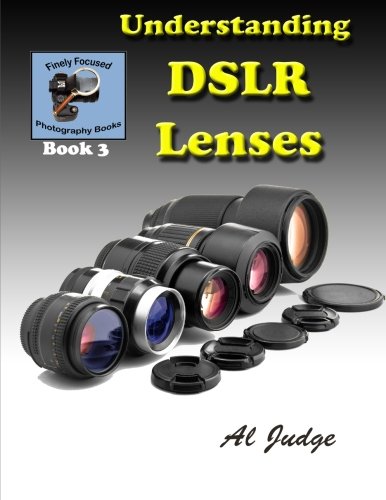

This illustrated guidebook is a helpful starting point if you want to understand lens basics before spending money. It’s especially useful for buyers who want a clearer explanation of lens behavior, optics, and how different lens choices affect the final image.
- ✓ Helps explain DSLR lens concepts in an easy-to-follow illustrated format
- ✓ Useful for beginners building confidence before buying a lens
- ✓ Good reference for understanding how lens choices affect photography results
- ✗ Not a physical lens or accessory, so it won’t directly improve your camera setup
- ✗ Best for learning, not for immediate gear upgrades
Altura Photo 5 Pcs Lens Cap Leash
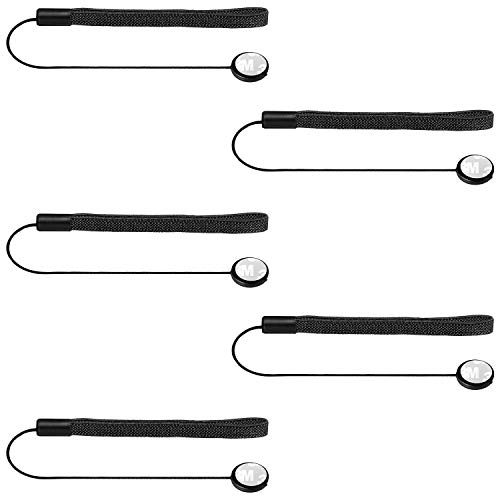

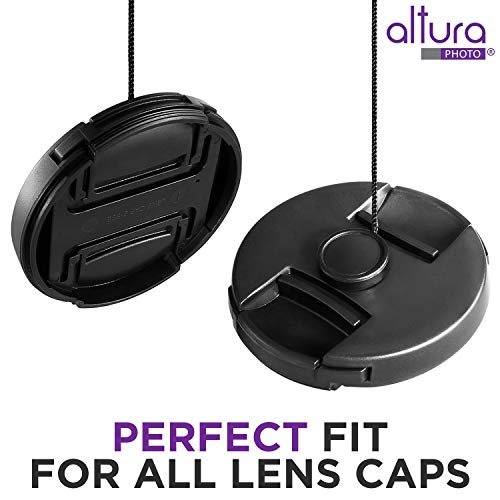
If you want a simple, low-cost way to protect your lens cap from getting misplaced, this lens cap leash is a practical add-on. It’s designed to help keep the cap attached and accessible, which is useful for photographers who move quickly or swap lenses often.
- ✓ Prevents your lens cap from getting lost again
- ✓ Designed for virtually all lens caps, with or without a hole/loop
- ✓ Elastic band stretches to fit snugly around the circumference of your lens
- ✓ Comes as a 5-piece set for multiple lenses or backups
- ✗ Doesn’t improve image quality or camera performance directly
- ✗ Best as a convenience accessory rather than a core purchase
Common Mistakes to Avoid
Buying a lens is easier when you know the traps that catch first-time shoppers.
- Ignoring mount compatibility: A lens that doesn’t fit your camera body is a costly mistake.
- Choosing focal length without a purpose: Don’t buy based on specs alone; think about what you actually shoot.
- Overlooking aperture: A lens can look good on paper but struggle in low light if the aperture is too narrow.
- Forgetting size and weight: A bulky lens can be uncomfortable if you travel or shoot all day.
- Skipping basic protection: Small accessories like cap keepers can reduce everyday frustration and help protect your gear.
Frequently Asked Questions
What is the most important thing to check before buying a camera lens?
The most important thing is compatibility. Make sure the lens mount matches your camera body before looking at focal length, aperture, or other features.
Which lens is best for beginners?
Beginners usually do well with a versatile lens that covers common everyday subjects. A good learning resource like Understanding DSLR Lenses: An Illustrated Guidebook (Finely Focused Photography Books) (Volume 3) can also help you make a smarter choice.
Do I need expensive accessories when buying a lens?
Not always, but simple accessories can be useful. Products like the Altura Photo 5 Pcs Lens Cap Leash help protect and organize your gear without adding much cost.
Is aperture or focal length more important?
Neither is universally more important. Focal length determines how close or wide your framing looks, while aperture affects brightness and background blur.
Should I buy a lens before upgrading my camera body?
In many cases, yes. A better lens often improves image quality and creative flexibility more than a new camera body, especially if your current camera is still capable.
Get the Full Cameras & Drones Buyer's Guide
Download our detailed comparison with specs, scores, and our honest verdict — delivered straight to your inbox.
Free. No spam. Unsubscribe anytime.
Was this review helpful?
Be the first to share your feedback on this review.
Sign in to vote and let us know what you think.
Discussion (0)
No comments yet. Be the first to start the discussion.
Related Reviews
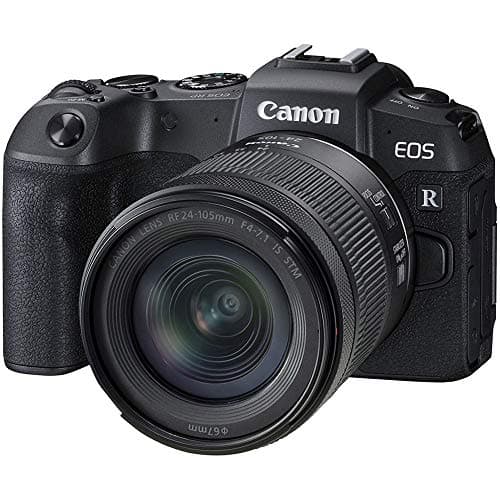
8 Best Full Frame Mirrorless Cameras in 2026 — Top Picks for Sharp Images, Fast Autofocus, and Better Video
If you’re trying to choose the best full frame mirrorless cameras 2026 , the hardest part is cutting through specs that all start to look the same. You want a camera that fits your shooting style, whether that means travel-friendly portability, reliable autofocus, strong low-light performance, or hy
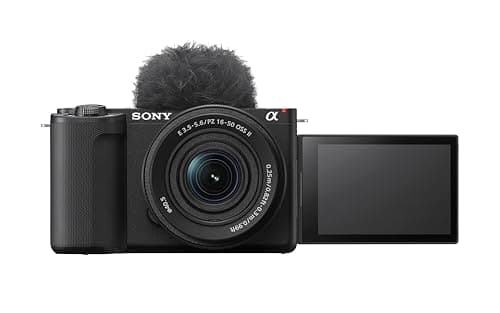

Best Cameras for Every Budget in 2026: Ranked by Price & Performance
If you’re searching for the best cameras under $500 , the reality is simple: true camera performance at this budget usually means buying used, refurb, or stretching your expectations beyond “brand-new flagship.” The good news is that different tiers can still make sense depending on whether you want