
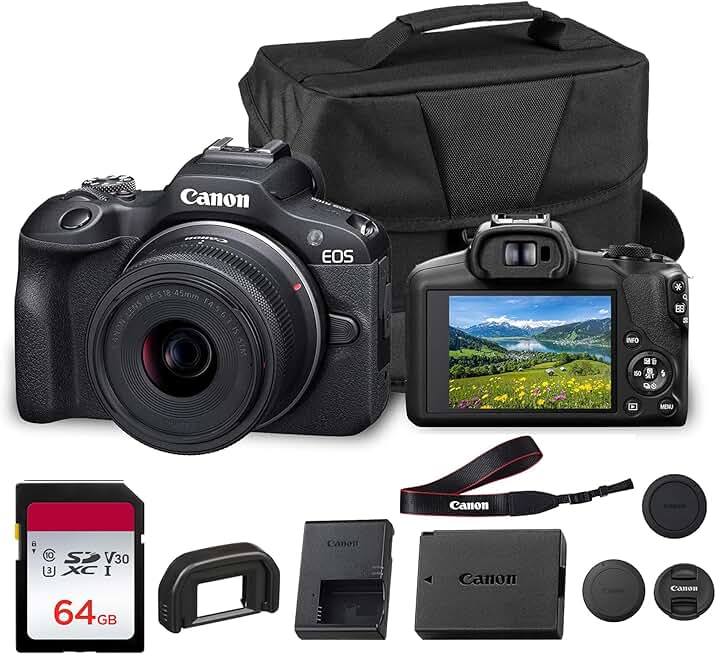
Canon R6 Mark III vs Sony A7 IV (2026): Which Should You Actually Buy?
At a Glance
| Specification | Canon R6 Mark III | Sony A7 IV |
|---|---|---|
| Sensor | 20.1MP Full-Frame CMOS | 33MP Full-Frame Exmor R CMOS |
| Autofocus | Dual Pixel CMOS AF II, 1053 AF points | Real-time Eye AF, 759 AF points |
| Continuous Shooting | 12 fps (Mechanical), 40 fps (Electronic) | 10 fps (Mechanical/Electronic) |
| Video | 6K RAW 60p, 4K 120p | 4K 60p 10-bit 4:2:2 |
| ISO Range | 100-102400 (expandable) | 100-51200 (expandable) |
| Viewfinder | 3.69M-dot OLED EVF | 3.69M-dot OLED EVF |
| Battery Life (CIPA) | 510 shots | 580 shots |
| Weight | 約 598g (Body only) | 約 658g (Body only) |
| Price (Body Only) | $2,499.00 | $2,498.00 |
Design & Handling: Winner – Canon R6 Mark III
The Canon R6 Mark III features a refined, ergonomic grip with weather-sealing that feels slightly more comfortable during extended shoots. Its interface is intuitive, especially for Canon users, with a fully articulating touchscreen that caters well to video creators and vloggers.
The Sony A7 IV also impresses with a solid build and a tilting touchscreen but feels a bit bulkier and less comfortable for one-handed operation. Canon’s superior button layout and dial placement give it a slight edge in handling speed and ease.
Performance & Autofocus: Winner – Canon R6 Mark III
The Canon R6 Mark III shines with its Dual Pixel CMOS AF II system, delivering lightning-fast autofocus across 1053 points and impressive subject tracking, including animals and vehicles. Its 40 fps electronic shutter burst mode is unbeatable for fast action photography.
The Sony A7 IV offers excellent autofocus with 759 phase-detection points and reliable Real-time Eye AF, performing well in most scenarios. However, it cannot match Canon’s tracking precision or burst speed, making the R6 Mark III the better tool for dynamic shooting conditions.
Image Quality & Video: Winner – Sony A7 IV
Sony’s 33MP sensor provides higher resolution images with excellent detail, suitable for large prints and cropping flexibility. Its 10-bit 4:2:2 4K video recording at 60p supports serious hybrid shooters seeking rich color depth.
Canon R6 Mark III, while lower in resolution at 20MP, offers superior video with 6K RAW 60p and 4K 120p slow-motion capabilities, making it a powerhouse for videographers who prioritize frame rates and raw video quality over megapixels.
Battery Life & Durability: Winner – Sony A7 IV
The Sony A7 IV edges out slightly in battery endurance with 580 shots per charge versus Canon’s 510 shots. Both cameras feature robust weather sealing, but Sony’s slightly larger battery gives it a practical advantage for long shooting sessions without recharging.
Value for Money: Winner – Sony A7 IV
With nearly identical pricing but higher resolution and longer battery life, the Sony A7 IV offers excellent value for photographers who want a versatile, high-res camera at a competitive price. Canon’s R6 Mark III demands a premium for its speed and video features, appealing more to niche pros and enthusiasts.
Canon R6 Mark III Is the Better Choice If…
- You prioritize blazing-fast autofocus and tracking for sports or wildlife photography.
- You need top-tier video specs — 6K RAW and 4K 120p slow motion.
- You want a comfortable, ergonomic body with intuitive controls.
- You shoot fast action and need ultra-high burst rates up to 40 fps.
- You prefer Canon’s color science and Dual Pixel AF system.
Sony A7 IV Is the Better Choice If…
- You want higher resolution photos for detailed large prints or cropping.
- You value longer battery life for extended shooting days.
- You need a versatile hybrid camera with excellent 4K 60p 10-bit video.
- You prefer a slightly more affordable body with excellent overall performance.
- You want a solid all-rounder camera with good ergonomics and durability.
Our Final Verdict
Choosing between the Canon R6 Mark III and the Sony A7 IV ultimately depends on your shooting priorities. For pure speed, autofocus excellence, and advanced video capabilities, the Canon R6 Mark III is the clear winner and justifies its premium for professionals and dedicated hybrid shooters.
However, if you want higher resolution images, longer battery life, and a more budget-conscious hybrid solution without sacrificing quality, the Sony A7 IV is a fantastic choice offering tremendous value.
Both cameras represent the best in their class for 2026, so your decision should align with whether speed and video or resolution and battery life matter more.
Check Price on Amazon: Canon R6 Mark III →
Check Price on Amazon: Sony A7 IV →
Frequently Asked Questions
- Which camera has better autofocus: Canon R6 Mark III or Sony A7 IV?
- The Canon R6 Mark III offers superior autofocus with 1053 AF points and faster subject tracking compared to Sony A7 IV's 759 points.
- Is the Sony A7 IV better for video than the Canon R6 Mark III?
- While the Sony A7 IV provides excellent 4K 60p 10-bit video, the Canon R6 Mark III supports higher-end formats like 6K RAW and 4K 120p, making it better for advanced videographers.
- Which camera has a longer battery life?
- The Sony A7 IV lasts slightly longer with approximately 580 shots per charge versus 510 shots on the Canon R6 Mark III.
- Can I use Canon lenses on the Sony A7 IV?
- No, Canon lenses with RF mount are not natively compatible with Sony E-mount cameras without adapters, which may affect performance.
- Which camera is better for wildlife photography?
- The Canon R6 Mark III is better suited for wildlife due to its faster burst rates and superior autofocus tracking capabilities.
Get the Full Cameras & Drones Buyer's Guide
Download our detailed comparison with specs, scores, and our honest verdict — delivered straight to your inbox.
Free. No spam. Unsubscribe anytime.
Was this review helpful?
Be the first to share your feedback on this review.
Sign in to vote and let us know what you think.
Discussion (0)
No comments yet. Be the first to start the discussion.
Related Reviews
How to Choose the Best Mirrorless Camera in 2026: Complete Buying Guide
Choosing a mirrorless camera can feel overwhelming with so many options and technical specs to consider. Making the wrong choice often means buyer’s remorse, wasted money, or a camera that doesn’t meet your needs. This guide will help you understand exactly how to choose a mirrorless camera suited f
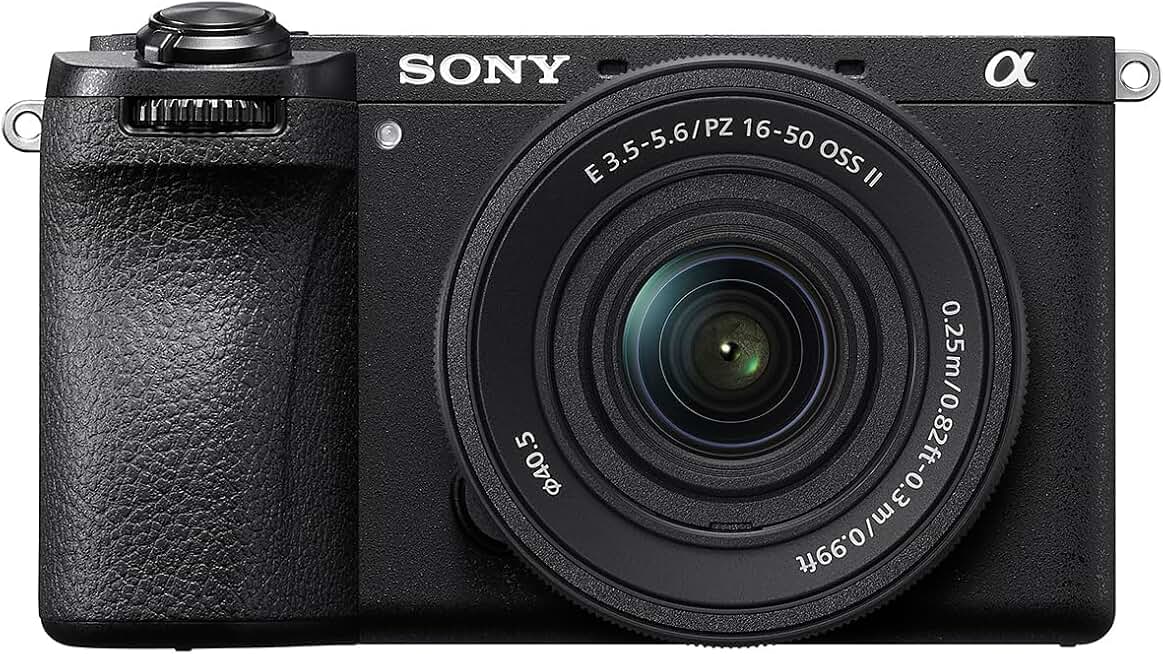
8 Best Mirrorless Cameras in 2026 — Capture Stunning Photos with Cutting-Edge Tech
Looking for the best mirrorless cameras in 2026 to elevate your photography or videography? Whether you’re a beginner, vlogger, or professional, these cameras offer top-tier features, excellent image quality, and versatile performance. Our picks are carefully selected based on sensor quality, autofo