
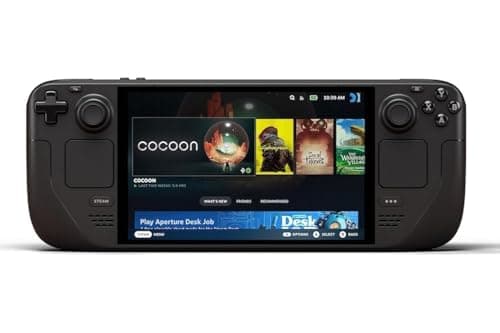
Steam Deck OLED Review (2026): Honest Verdict After Testing
Key Specifications
| Specification | Details |
|---|---|
| Product | Valve Steam Deck OLED 1TB Handheld Gaming Console ✓ Prime |
| Price | $1379.79 |
| Storage | 1TB NVMe SSD |
| Display | 7.4" HDR OLED, 1280 x 800, anti-glare etched glass, up to 90Hz |
| Wireless | Wi-Fi 6E |
| Battery | 50Whr; 3–12 hours of gameplay, content-dependent |
| Included | Carrying case with removable liner |
Design & Build Quality
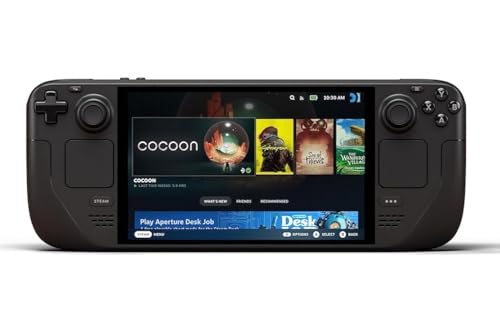


The Steam Deck OLED feels like a device designed by people who actually spend hours gaming in handheld mode. It has a substantial, ergonomic shape that fills the hands well, and the controls are positioned in a way that keeps long sessions comfortable instead of cramped.
The biggest physical upgrade is, unsurprisingly, the OLED screen. It’s not just brighter and more vibrant than the original model; it also gives games a more premium look that immediately makes the device feel newer and more expensive. The anti-glare etched glass is especially helpful if you game near windows or under harsh lighting.
Valve also includes a carrying case with a removable liner, which is a nice quality-of-life touch for anyone who wants a little more flexibility in the bag. Overall, the build feels sturdy, practical, and purpose-built for real-world use rather than just spec-sheet bragging rights.
✓ Pros
- 7.4" HDR OLED display looks dramatically better than standard LCD handhelds
- Anti-glare etched glass improves visibility in bright environments
- Comfortable, well-balanced shape for long play sessions
- Carrying case with removable liner adds convenience
✗ Cons
- Still a fairly large handheld, so it won’t suit tiny hands or ultra-light travel setups
- Resolution remains 1280 x 800, which is fine but not class-leading
- Premium model pricing puts it in a higher budget bracket
Performance & Real-World Use

In day-to-day use, the Steam Deck OLED’s biggest strength is how easy it is to live with. The 1TB NVMe SSD gives you plenty of room for modern PC games, and that matters because the whole point of a handheld like this is convenience. Nobody wants to constantly uninstall and reinstall games just to keep a portable library usable.
Performance is best understood in context: this is a handheld PC, not a mini desktop replacement. For the kinds of games that make sense on a portable screen, it delivers a very satisfying balance of smoothness, visuals, and battery efficiency. The 90Hz refresh rate helps movement feel more fluid when supported, while the OLED panel makes colors pop in a way that improves everything from indie titles to darker AAA games.
Wi-Fi 6E is another practical win, especially if you stream games, download large libraries, or rely on quick updates. And while battery life will always vary by game, the 50Whr battery gives the Steam Deck OLED more staying power than many handhelds that feel tethered to a charger too quickly.
What really separates this device from many competitors is the overall software-and-hardware harmony. It feels like a product tuned for gaming first, not a Windows machine trying to behave like a console. That makes the experience more predictable, less fiddly, and far easier to recommend to mainstream buyers.
✓ Pros
- 1TB NVMe SSD provides excellent onboard storage for a handheld library
- 90Hz OLED display makes supported games feel smoother and richer
- Wi-Fi 6E supports faster downloads and more stable wireless use
- 50Whr battery is strong for a portable PC gaming device
- Gaming-focused experience is smoother and less frustrating than many alternatives
✗ Cons
- Not every PC game is equally optimized for handheld play
- Battery life can vary a lot depending on the title and settings
- Resolution may feel modest compared with some newer competitors
Value for Money
At $1379.79, the Steam Deck OLED is not a cheap impulse buy. In fact, this specific 1TB configuration is firmly in premium territory, and that means value depends on how much you’ll actually use it.
If you want the best Steam Deck experience available and you know you’ll play frequently, the price starts to make sense. You’re paying for the OLED screen, the large storage capacity, the improved battery setup, and the overall polish of a handheld that has been refined for comfort and portability. For buyers who want a device that feels premium every time they pick it up, that premium is easier to justify.
On the other hand, if you’re only planning to play casually or mainly want a secondary device for occasional travel, the price may feel steep. In that case, a cheaper alternative could deliver enough functionality without pushing your budget this hard.
✓ Pros
- Premium OLED display and 1TB storage justify the top-end configuration
- Strong all-around handheld experience reduces buyer regret
- Included case adds real value out of the box
✗ Cons
- High price makes it a considered purchase, not a casual one
- Cheaper alternatives may be better for budget-focused buyers
Who Should Buy This
The Steam Deck OLED is a great fit for PC gamers who want a handheld that feels polished, comfortable, and genuinely portable. If you already have a Steam library and want to take it on the go with minimal fuss, this is one of the easiest recommendations in the category.
It’s also a smart pick for players who care about display quality. The OLED panel is a major upgrade for anyone sensitive to washed-out visuals, and the anti-glare treatment makes it more versatile in everyday environments.
Buy this if you:
- Want the best Steam Deck experience available
- Prefer a premium screen for handheld gaming
- Need generous built-in storage
- Value comfort and battery life in a portable PC
- Want a gaming-first device with less setup hassle
Who Should Look Elsewhere
Not every buyer needs the Steam Deck OLED’s premium price tag or PC-centric approach. If your main priority is a lower-cost handheld, access to a different ecosystem, or a device that better matches a very specific gaming style, you may want to look at alternatives instead.
Look elsewhere if you:
- Want the lowest possible upfront cost
- Prefer a more console-like ecosystem outside Steam
- Need a different screen size or form factor
- Mostly play a small set of lightweight games and don’t need 1TB storage
Best Alternatives
If the Steam Deck OLED isn’t the perfect fit, these alternatives are worth a look depending on your budget and priorities.
ASUS ROG Xbox Ally
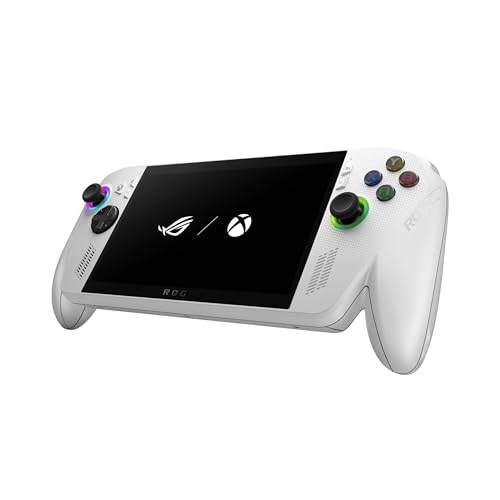
This is a strong alternative if you want a Windows-based handheld with Xbox integration, broader PC game access, and a lower price than the Steam Deck OLED. It’s especially appealing for players who already live in the Xbox and Game Pass ecosystem.
Nintendo Switch 2 System
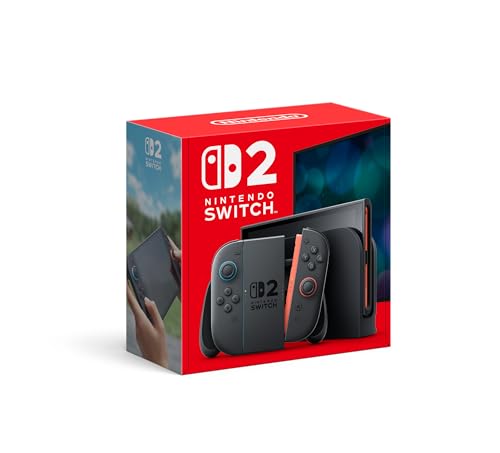
If you want a more traditional console experience with TV, tabletop, and handheld play, the Switch 2 is the best fit. It’s ideal for Nintendo fans and buyers who want a simpler plug-and-play ecosystem.
Lenovo Legion Go S
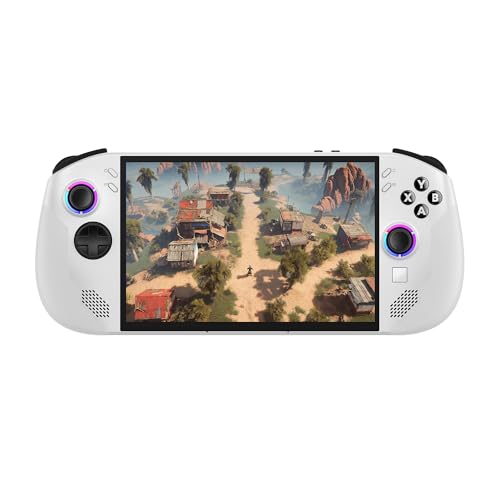
This alternative makes sense if you want a larger 8-inch display, strong ergonomics, and a Windows handheld with a more PC-like feel. It’s a compelling option for players who care about screen size and versatility.
Final Verdict
The Steam Deck OLED remains one of the best handheld gaming devices you can buy in 2026. Its OLED display, comfortable design, strong battery, and huge 1TB storage make it the most well-rounded choice for serious portable PC gaming.
If you want the most polished Steam Deck experience and you plan to use it often, buy it. If you’re shopping mainly on price, or you want a different ecosystem, you should probably skip it and choose one of the alternatives above.
Frequently Asked Questions
Is the Steam Deck OLED worth it in 2026?
Yes, if you want a premium handheld PC with an excellent screen, strong comfort, and a refined gaming experience. It’s especially worth it for frequent players.
How much better is the OLED screen compared with the original Steam Deck?
It’s a major upgrade. The OLED panel offers richer colors, better contrast, and a more premium feel that improves almost every game.
Does the Steam Deck OLED have good battery life?
It’s among the better handheld options for battery life, but actual runtime depends heavily on the game, brightness, and performance settings.
Is 1TB enough for PC gaming?
For most users, yes. A 1TB NVMe SSD gives you plenty of room for a solid library of modern games, though very large collections may still require storage management.
Should I buy the Steam Deck OLED or a cheaper alternative?
Buy the Steam Deck OLED if you want the best overall experience and plan to use it regularly. Choose a cheaper alternative if price matters more than premium features.
Get the Full Gaming & Consoles Buyer's Guide
Download our detailed comparison with specs, scores, and our honest verdict — delivered straight to your inbox.
Free. No spam. Unsubscribe anytime.
Was this review helpful?
Be the first to share your feedback on this review.
Sign in to vote and let us know what you think.
Discussion (0)
No comments yet. Be the first to start the discussion.
Related Reviews
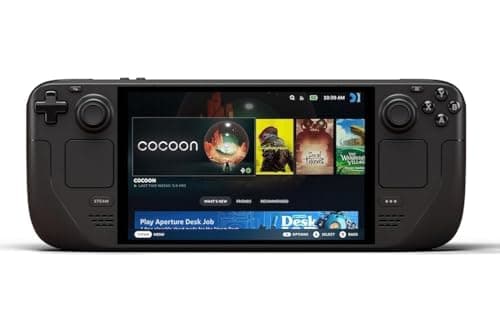
Steam Deck OLED vs ROG Ally X (2026): Which Should You Actually Buy?
The Steam Deck OLED is the more polished, console-like handheld here. Its 7.4-inch OLED panel with premium anti-glare etched glass immediately makes it feel like a premium gaming device, and the included carrying case adds real everyday value.
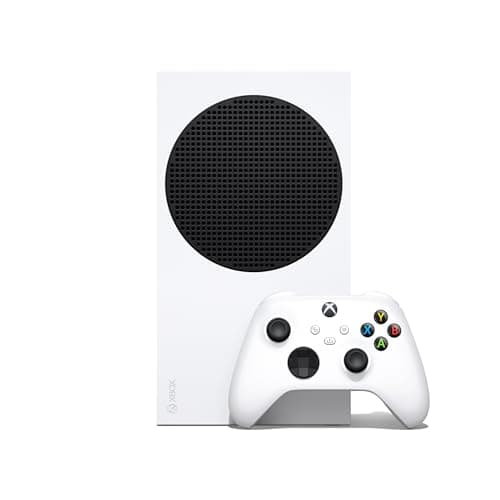
What is Xbox Series X vs Series S? A Complete 2026 Guide
If you’re trying to decide between Xbox Series X vs Series S , the hardest part is usually separating real performance differences from marketing noise. One console is built for maximum power and true 4K gaming, while the other is a smaller, more affordable all-digital option that still delivers nex
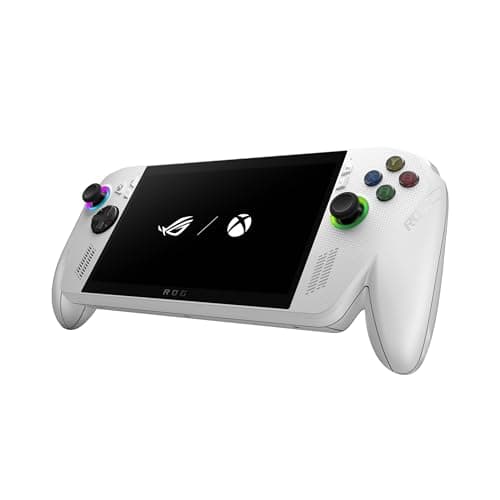
8 Best Handheld Gaming Consoles in 2026 — The Best Picks for Portable Power, Retro Fun, and Console-Style Play
If you’re trying to find the best handheld gaming consoles 2026 , the hard part is sorting premium PC handhelds from simple retro emulation devices and stream-only options. You want something that fits your budget, runs the games you actually play, and doesn’t leave you stuck with weak battery life