
What is a Smartphone Buying Guide 2026? A Complete 2026 Guide
If you’re trying to buy a new phone in 2026, the hardest part is not finding options—it’s figuring out which specs actually matter for your needs. A smartphone buying guide 2026 helps you cut through marketing claims, compare the features that affect daily use, and avoid paying more than you should. In this guide, you’ll learn how smartphones work, what benefits they offer, what to look for before buying, and which product is worth considering if you want to improve your smartphone photography skills.
How It Works
A smartphone is essentially a pocket-sized computer that combines a display, processor, cameras, battery, wireless radios, sensors, and software into one device. When you tap an app, the processor handles the request, the memory keeps everything running smoothly, and the operating system coordinates the hardware so the phone responds quickly. In 2026, many smartphone improvements come from better chip efficiency, AI-assisted photography, faster charging, brighter screens, and stronger privacy features rather than just bigger numbers on a spec sheet.
For buyers, the important thing to understand is that every phone is a trade-off. A device with a top-tier camera may have a smaller battery, a budget phone may have a great screen but slower performance, and a premium model may offer long software support but cost much more upfront. That’s why a good buying guide focuses on matching the phone’s strengths to how you actually use it.
Key Benefits & Use Cases
Smartphones are the main personal computing device for most people because they do so many things well in one place. They replace cameras, GPS units, music players, wallets, and even some laptops for basic tasks. They also keep you connected through calls, messaging, video chat, and social apps wherever you go.
Here are the most common use cases:
- Everyday communication: calls, texts, email, and messaging apps.
- Content creation: taking photos, recording video, editing social content, and sharing instantly.
- Entertainment: streaming video, gaming, reading, and listening to music or podcasts.
- Productivity: calendars, cloud documents, scanning, note-taking, and mobile payments.
- Navigation and travel: maps, ride sharing, boarding passes, translation, and local search.
For many shoppers, the biggest benefit of buying well is long-term satisfaction. If you choose a phone with the right battery life, camera quality, storage, and software support, you’ll keep it longer and enjoy it more every day.
What to Look For When Buying
1. Performance and Processor
Look at the processor and overall responsiveness, especially if you multitask, play games, or edit photos and video. A faster chip usually means smoother app switching, faster camera processing, and better long-term usability. For most buyers, the goal is not the absolute fastest phone—it’s a device that stays quick for several years.
2. Battery Life and Charging
Battery life matters more than raw battery size because software efficiency and display power use can change real-world results. Check whether the phone can last a full day with your typical use and whether it supports fast charging, wireless charging, or power-saving modes. If you travel often or use your phone heavily, battery endurance should be near the top of your list.
3. Camera Quality
Camera specs can be misleading, so focus on real-world image quality, low-light performance, stabilization, and video features. In 2026, many phones use computational photography to improve portraits, night shots, and dynamic range. If photos matter to you, look beyond megapixels and consider how the phone handles detail, color accuracy, and motion.
4. Display Quality
A good display improves everything from reading and gaming to watching videos outdoors. Pay attention to screen size, brightness, refresh rate, and resolution. Higher brightness helps outside, while a smoother refresh rate can make scrolling feel more fluid.
5. Software Support and Storage
Software updates are a major buying factor because they affect security, features, and resale value. A phone with longer update support is usually a smarter purchase than one that looks good on paper but ages quickly. Also consider storage: if you take lots of photos and videos, choose enough capacity so you don’t run out of space in the first year.
Top Recommended Products
If your main goal is to get better at using your phone for photography and content creation, this beginner-friendly guide is a useful companion to any smartphone purchase.
Smartphone Photography: Total Workflow for Beginners 4.7★ (reviews not listed) ✓ Prime
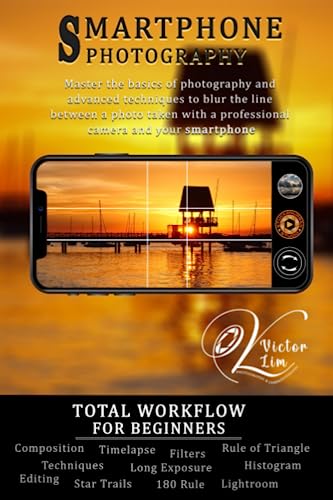

This product is not a smartphone itself, but it is highly relevant for buyers who want to get more value from the phone they choose. It explains a beginner-friendly workflow for smartphone photography, which can help you understand how camera features translate into better real-world results.
✓ Pros
- Helps beginners understand smartphone photography from capture to editing.
- Useful for buyers who care about camera performance and content creation.
- Prime availability makes it convenient for Amazon shoppers.
✗ Cons
- It is not a phone, so it won’t help you compare hardware specs directly.
- Best suited for readers who want to improve photography skills, not general phone users.
Common Mistakes to Avoid
- Choosing by brand alone: a popular logo does not guarantee the best fit for your needs.
- Ignoring battery and software support: these affect everyday satisfaction more than many flashy specs.
- Overpaying for camera hype: if you rarely take photos, you may not need a premium camera system.
- Buying too little storage: photos, videos, and apps can fill space quickly.
- Forgetting your actual use case: gaming, travel, photography, and work all require different priorities.
Frequently Asked Questions
What is a smartphone buying guide 2026?
A smartphone buying guide 2026 is a practical resource that helps shoppers compare phone features, understand current technology, and choose the right model based on their needs and budget.
What matters most when buying a smartphone in 2026?
The most important factors are performance, battery life, camera quality, display quality, software support, and storage. The best choice depends on how you use your phone every day.
Is camera quality more important than processor speed?
Not always. If you mostly browse, message, and stream video, performance and battery may matter more. If you take lots of photos or videos, camera quality becomes a bigger priority.
How much storage do I need on a new phone?
For light users, moderate storage may be enough, but photo and video users should choose more capacity. If you keep your phone for several years, it’s usually smarter to buy more storage than you think you need.
What should I avoid when shopping for a smartphone?
Avoid buying based only on marketing claims, ignoring battery life, choosing too little storage, and overlooking software update support. Focus on real-world use instead of just spec comparisons.
Get the Full Smartphones & Accessories Buyer's Guide
Download our detailed comparison with specs, scores, and our honest verdict — delivered straight to your inbox.
Free. No spam. Unsubscribe anytime.
Was this review helpful?
Be the first to share your feedback on this review.
Sign in to vote and let us know what you think.
Discussion (0)
No comments yet. Be the first to start the discussion.
Related Reviews
8 Best iPhone 2026 — Top Picks for Every Budget, Camera Need, and Upgrade Path
If you’re searching for the best iPhone 2026, you’re probably stuck between paying flagship prices for the latest features or saving money on a renewed model that still feels fast. This list cuts through that confusion by focusing on iPhones that make sense for real buyers: camera quality, performan
iPhone 17 Pro Max Long Term Review (2026): Honest Verdict After Testing
The Apple iPhone 17 Pro Max, US Version, 512GB, eSIM, Deep Blue- Unlocked (Renewed Premium) feels like the kind of phone that is built for people who keep devices for years, not months. In a long-term review, that matters more than launch-day hype because durability, finish quality, and daily wear b
Best Budget Smartphones for Every Budget in 2026: Ranked by Price & Performance
Finding the best budget smartphones in 2026 means balancing price with the features you truly need. Whether you're looking for the most affordable option, a solid mid-range device, or a premium flagship, there’s a phone tailored for every wallet and use case. This guide breaks down top picks by pric