

RTX 5070 Ti vs RX 9070 XT (2026): Which Should You Actually Buy?
At a Glance
| Category | msi Gaming RTX 5070 Ti 16G Ventus 3X OC Black Graphics Card | GIGABYTE Radeon RX 9070 XT Gaming OC 16G Graphics Card |
|---|---|---|
| Architecture | NVIDIA Blackwell | Radeon RX 9070 XT |
| Memory | 16GB GDDR7 | 16GB GDDR6 |
| Bus Width | 256-bit | PCIe 5.0 |
| Cooling | TORX Fan 5.0, nickel-plated copper baseplate, Core Pipe | WINDFORCE Cooling System, Hawk Fan, server-grade thermal conductive gel |
| Special Features | DLSS 4, SFF-Ready Enthusiast GeForce Card | RGB Lighting |
| Price | $989.99 ✓ Prime | 12% OFF — Was $839.99 $739.99 ✓ Prime |
Design and Build Quality
Winner: RTX 5070 Ti
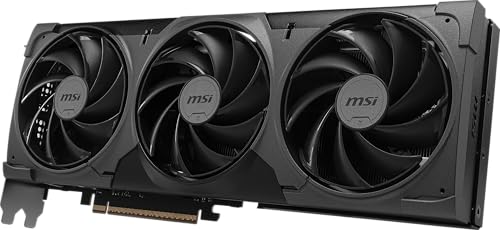


The msi Gaming RTX 5070 Ti 16G Ventus 3X OC Black Graphics Card feels more premium on paper thanks to its Blackwell-based design and a cooling setup built around a nickel-plated copper baseplate and Core Pipe heat transfer. It is also explicitly positioned as an SFF-Ready Enthusiast GeForce Card, which matters if you care about fitting serious performance into a smaller build.
The GIGABYTE Radeon RX 9070 XT Gaming OC 16G Graphics Card is still well-equipped with WINDFORCE cooling, Hawk Fan, and server-grade thermal conductive gel, but it reads more like a practical performance card than a refined enthusiast showcase.
- ✓ RTX 5070 Ti: SFF-Ready design, TORX Fan 5.0, nickel-plated copper baseplate, Core Pipe
- ✓ RX 9070 XT: WINDFORCE Cooling System, Hawk Fan, server-grade thermal conductive gel, RGB Lighting
Performance
Winner: RTX 5070 Ti
If you’re comparing raw feature-driven gaming performance, the msi Gaming RTX 5070 Ti 16G Ventus 3X OC Black Graphics Card has the edge because NVIDIA Blackwell and DLSS 4 are the bigger performance differentiators here. That gives it a stronger case for high-refresh gaming, better upscaling support, and long-term game compatibility advantages.
The GIGABYTE Radeon RX 9070 XT Gaming OC 16G Graphics Card still brings strong 16GB VRAM capacity and a modern PCIe 5.0 interface, so it is absolutely not a weak performer. But when buyers ask which card is more likely to feel “faster” in supported titles and smoother in demanding scenarios, the RTX card is the safer bet.
- ✓ RTX 5070 Ti: NVIDIA Blackwell architecture, DLSS 4, 16GB GDDR7, 256-bit bus
- ✓ RX 9070 XT: 16GB GDDR6, PCIe 5.0, strong modern gaming platform
Value for Money
Winner: RX 9070 XT
This one is not close. At $739.99, the GIGABYTE Radeon RX 9070 XT Gaming OC 16G Graphics Card is dramatically cheaper than the $989.99 msi Gaming RTX 5070 Ti 16G Ventus 3X OC Black Graphics Card. Even before factoring in the 12% discount, the AMD card is the clear value winner for shoppers who want strong 16GB gaming hardware without paying a premium for NVIDIA extras.
If your goal is to maximize frames per dollar, the RX 9070 XT is the card most buyers should start with. The RTX 5070 Ti needs its software advantages to justify the jump in price.
- ✓ RX 9070 XT: Much lower price, 12% off, Prime eligible
- ✓ RTX 5070 Ti: Better feature stack, but significantly more expensive
Thermals and Noise
Winner: RTX 5070 Ti
Based on the listed hardware alone, the msi Gaming RTX 5070 Ti 16G Ventus 3X OC Black Graphics Card has the more impressive cooling story. TORX Fan 5.0 is designed to stabilize airflow, and the nickel-plated copper baseplate plus Core Pipe design suggest a card built to move heat efficiently under load.
The GIGABYTE Radeon RX 9070 XT Gaming OC 16G Graphics Card should also cool well thanks to WINDFORCE, Hawk Fan, and thermal conductive gel, but MSI’s thermal feature list is more aggressively engineered for sustained performance.
- ✓ RTX 5070 Ti: TORX Fan 5.0, copper baseplate, Core Pipe thermal management
- ✓ RX 9070 XT: WINDFORCE Cooling System, Hawk Fan, thermal conductive gel
Features and Ecosystem
Winner: RTX 5070 Ti
The msi Gaming RTX 5070 Ti 16G Ventus 3X OC Black Graphics Card wins this category because DLSS 4 is the kind of feature that can influence your experience in a way specs alone cannot. Add in the NVIDIA Blackwell architecture and SFF-Ready Enthusiast GeForce Card positioning, and it becomes the more versatile choice for enthusiasts.
The GIGABYTE Radeon RX 9070 XT Gaming OC 16G Graphics Card keeps things simpler with RGB Lighting and a solid AMD platform, but it does not bring an equivalent headline feature to offset the RTX card’s ecosystem advantage.
- ✓ RTX 5070 Ti: DLSS 4, Blackwell architecture, SFF-Ready Enthusiast GeForce Card
- ✓ RX 9070 XT: RGB Lighting, modern Radeon platform
RTX 5070 Ti Is the Better Choice If…
- You want the stronger feature set, especially DLSS 4 support.
- You care about NVIDIA Blackwell and a more premium enthusiast positioning.
- You’re building a smaller PC and want an SFF-Ready card.
- You prefer the more advanced cooling design on paper.
- You’re willing to pay extra for software and ecosystem advantages.
RX 9070 XT Is the Better Choice If…
- You want the best value in this matchup.
- You’d rather save a large chunk of money upfront.
- You still want 16GB of VRAM for modern gaming.
- You want a Prime-eligible card with a discount already applied.
- You care more about price-to-performance than premium features.
Our Final Verdict
The overall winner is the GIGABYTE Radeon RX 9070 XT Gaming OC 16G Graphics Card for most buyers because it offers the stronger real-world value at a much lower price. It gives you 16GB of VRAM, modern PCIe 5.0 support, Prime shipping, and a meaningful discount, which makes it the smarter purchase for the majority of PC gamers.
That said, the msi Gaming RTX 5070 Ti 16G Ventus 3X OC Black Graphics Card is the better premium pick if you care about DLSS 4, NVIDIA Blackwell, and a more polished enthusiast feature set. If you want the best card regardless of price, go RTX 5070 Ti. If you want the smartest buy, go RX 9070 XT.
Check RTX 5070 Ti Price on Amazon → Check RX 9070 XT Price on Amazon →
Frequently Asked Questions
1. Is the RTX 5070 Ti better than the RX 9070 XT?
The RTX 5070 Ti is better if you prioritize features like DLSS 4, NVIDIA Blackwell, and a more premium enthusiast-focused design. For most buyers, though, the RX 9070 XT is the better overall value.
2. Which one is cheaper, RTX 5070 Ti vs RX 9070 XT?
The RX 9070 XT is much cheaper at $739.99, while the RTX 5070 Ti is listed at $989.99. That price gap is the biggest reason the AMD card wins on value.
3. Does the RTX 5070 Ti have better features?
Yes. Based on the listed specs, the RTX 5070 Ti has DLSS 4, NVIDIA Blackwell architecture, and SFF-Ready positioning, which gives it a stronger feature set.
4. Which card is better for a small PC build?
The RTX 5070 Ti is the better choice for smaller builds because it is explicitly labeled SFF-Ready Enthusiast GeForce Card.
5. Should I buy the RX 9070 XT for gaming in 2026?
Yes, if you want a strong 16GB gaming card at a much better price. It is the smarter pick for most gamers who care about value first.
Get the Full Tech Buyer's Guide
Download our detailed comparison with specs, scores, and our honest verdict — delivered straight to your inbox.
Free. No spam. Unsubscribe anytime.
Was this review helpful?
Be the first to share your feedback on this review.
Sign in to vote and let us know what you think.
Discussion (0)
No comments yet. Be the first to start the discussion.
Related Reviews

7 Best GPU for 1080p Gaming in 2026 — Smooth Frame Rates Without Overspending
If you’re shopping for the best GPU for 1080p gaming , the challenge is simple: you want high frame rates without paying for more graphics card than your monitor can use. The picks below focus on cards that make sense for 1080p players who care about smooth gameplay, sensible pricing, and enough VRA

Best GPU Under $300 for Every Budget in 2026: Ranked by Price & Performance
If you’re hunting for the best GPU under $300 , the reality is simple: true value is about getting the highest frame rates per dollar, not chasing the biggest spec sheet. Some buyers need the cheapest card that still handles 1080p gaming well, while others want the strongest performance they can get

Is a Gen 5 SSD Worth It 2026 Review (2026): Honest Verdict After Testing
The Samsung SSD 9100 PRO 2TB is built for users who want cutting-edge storage without sacrificing reliability. Its standard M.2 2280 form factor means it fits into modern desktops and laptops that support PCIe 5.0, but the real story here is thermal and power efficiency, not just raw speed numbers.